
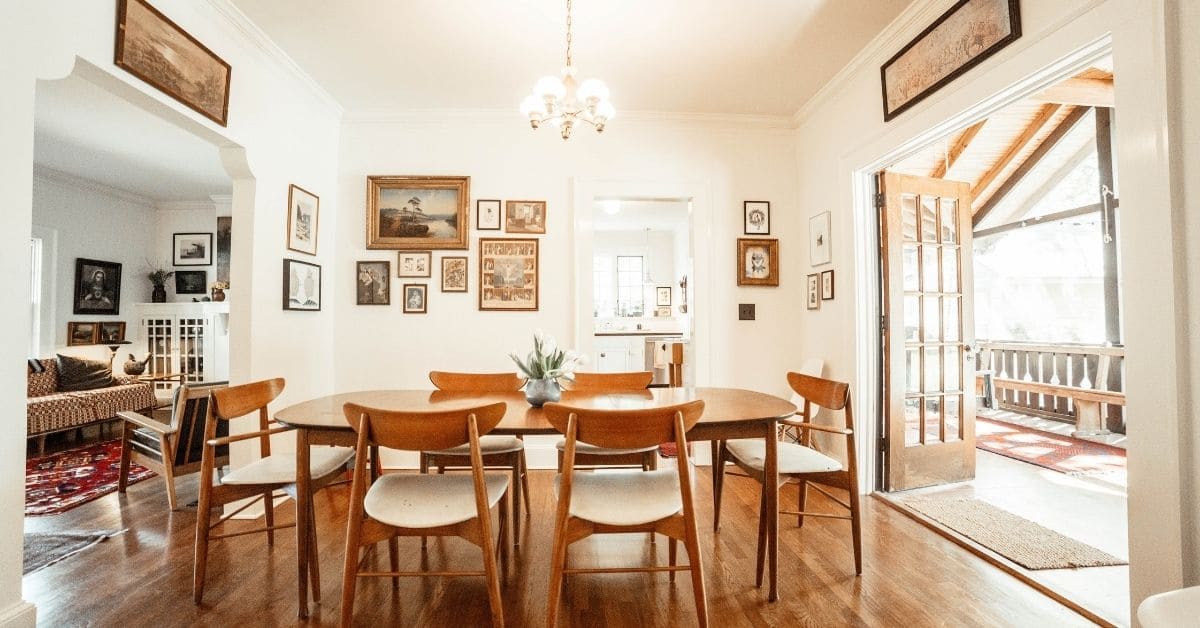
An older home can have beautiful woodwork, solid doors, and details that newer houses often lack. Yet outdated lighting, worn finishes, and awkward storage can make everyday living feel less comfortable.
The good news is that a full renovation is not always necessary. With thoughtful planning, homeowners can modernize an old home without gutting it, keeping the features that give the property its character while improving how each room looks and works.
The key is knowing what to keep, what to repair, and what deserves an update. Small improvements can make a noticeable difference when they address real problems rather than simply following design trends.
Key Takeaways
- Refresh paint, lighting, hardware, and finishes before considering major demolition.
- Preserve original woodwork, doors, and hardwood floors when they remain in good condition.
- Prioritize comfort, safety, and practical improvements over cosmetic changes alone.
- Plan upgrades around the home’s condition, budget, and long-term needs.
What Does It Mean to Modernize an Old Home Without Gutting It?
Modernizing an older home without gutting it means updating its appearance, comfort, and functionality while keeping the existing structure and useful features wherever possible.
Instead of removing entire rooms or rebuilding from scratch, homeowners can focus on selective repairs, updated finishes, better lighting, and targeted improvements. The result can feel fresher without losing the character that makes the house special.
Refresh the Walls With a Thoughtful Paint Scheme
Paint is one of the simplest ways to change the atmosphere of an older home. Faded colors, scuffed walls, and mismatched finishes can make rooms feel dated, even when the underlying structure remains sound.
A fresh coat of paint can help rooms feel brighter and more cohesive. Soft whites, warm neutrals, and muted earth tones are options worth considering, depending on the home’s natural light and existing features.
Before painting, homeowners should inspect the walls for peeling finishes, cracks, and damaged plaster. Older plaster walls may need careful repairs rather than aggressive sanding or complete replacement.
Practical approach:
- Repair damaged areas before applying new paint.
- Choose a consistent color palette for connected rooms.
- Use suitable paint finishes for each room’s needs.
- Test sample colors in morning and evening light.
- Preserve decorative molding instead of covering it with unnecessary alterations.
A thoughtful paint update can connect different spaces while allowing original architectural details to remain the focal point.
Upgrade Lighting to Make Rooms Feel More Welcoming
Outdated fixtures and poorly lit corners can make an older home feel less inviting. Improving lighting can change how a room functions without changing its layout.
A useful approach combines three types of lighting: ambient lighting for general visibility, task lighting for specific activities, and accent lighting to highlight architectural features.
For example, a kitchen may benefit from improved overhead lighting and under-cabinet lights. A living room might feel more comfortable with table lamps and a fixture that complements its original design.
Before choosing new fixtures, homeowners should consider ceiling height, existing wiring, and the room’s purpose. Electrical work, especially in older houses, should be assessed by a qualified professional when needed.
The goal is not to make every room brighter than necessary. It is to create comfortable lighting that supports daily activities and brings out the home’s best features.
Restore Original Woodwork, Doors, and Trim
Original woodwork can give an older house a sense of history. Wooden doors, decorative trim, built-in cabinets, and stair railings may only need cleaning, repairs, or refinishing to look appealing again.
Replacing these features with modern alternatives can remove some of the home’s character. Restoration is often worth exploring first when the original materials remain sound.
For example, a scratched wooden door may look much better after careful refinishing. Loose trim can be repaired, while damaged sections can be replaced with matching materials where practical.
The same approach works for built-in shelves and older cabinets. Cleaning, adjusting hinges, and replacing worn hardware can improve their appearance without removing the entire unit.
Before starting: Older painted woodwork may contain lead-based paint. The U.S. Environmental Protection Agency reports that 87% of homes built before 1940 contain some lead-based paint. EPA guidance on identifying lead-based paint explains why older surfaces require care.
Homeowners should avoid sanding or disturbing suspect paint until suitable testing and safety precautions have been considered.
Modernize the Kitchen Without Rebuilding It
An older kitchen can feel dated even when its cabinets and layout remain functional. A complete replacement is not always the first step.
Cabinet hardware, lighting, faucets, and worn finishes can often be updated independently. These changes can give the kitchen a more coordinated appearance without removing every cabinet.
Consider a kitchen with sturdy wooden cabinets but dated handles. Replacing the handles and refreshing the finish may provide a noticeable improvement. Under-cabinet lighting can also make food preparation easier.
Other practical updates include:
- Repairing cabinet doors that no longer close properly.
- Replacing a worn faucet with a suitable modern fixture.
- Refreshing the backsplash if the existing surface needs attention.
- Improving storage with pull-out organizers or drawer dividers.
- Repairing damaged countertops when replacement is unnecessary.
The existing layout should guide the decision. If the kitchen works well, keeping the sink, appliances, and cabinets in place may avoid more extensive work.
However, damaged cabinets, unsafe wiring, plumbing leaks, or poor ventilation need proper assessment. Cosmetic updates should never conceal problems that require repair.
Refresh the Bathroom With Targeted Improvements
Bathrooms can often benefit from selective upgrades rather than complete reconstruction. Worn fixtures, poor lighting, dated hardware, and limited storage can make the room feel older than it needs to.
Replacing a mirror, updating a faucet, improving ventilation, or installing a more suitable light fixture may help. Fresh caulk and repaired grout can also improve the room’s appearance when the underlying surfaces are sound.
For example, a bathroom with a functional bathtub and serviceable tile may not need either replaced. New accessories and improved storage could address the main concerns instead.
Before making cosmetic changes, homeowners should check for leaks, loose tiles, soft flooring, and signs of moisture damage. These problems may indicate issues behind the visible surface.
A bathroom renovation should address its actual needs. Keeping functional fixtures can free up resources for repairs that matter more.
Refinish Existing Hardwood Floors
Original hardwood floors can be an attractive feature in older houses. Scratches, dull finishes, and ordinary wear may make them appear tired, but replacement is not always necessary.
Depending on the wood’s condition and thickness, refinishing may restore its appearance. Smaller problems may only require cleaning, minor repairs, or attention to individual boards.
Homeowners should first identify the flooring material. Some floors have a thin wood veneer, while others contain solid hardwood. Their repair options differ.
A flooring professional can assess deep scratches, water damage, uneven areas, and previous refinishing. That assessment helps determine whether refinishing is practical.
Where replacement is necessary, the new material should suit the home’s layout and intended use. Matching existing floors across connected rooms can help maintain a consistent appearance.
Improve Storage and Make Better Use of Space
Older homes sometimes have limited closets, awkward corners, or rooms that serve several purposes. Better storage can improve daily life without changing the building’s structure.
Simple solutions include adding shelves, organizing existing closets, using furniture with built-in storage, and creating practical storage areas beneath suitable staircases.
A small bedroom, for instance, may feel less crowded when seasonal clothing has a dedicated place. In a living room, well-planned shelving can reduce clutter while displaying books and personal items.
Built-in storage can work well when designed around the room’s proportions. However, it should not block windows, heating equipment, access routes, or important architectural features.
Before purchasing furniture or installing shelves, homeowners should identify what needs storing and where it is used most often. This avoids spending money on storage that does not solve the actual problem.
Repair and Restore Windows and Doors
Older windows and doors can contribute to a home’s appearance, but drafts, sticking frames, damaged seals, and worn hardware may affect comfort.
The best solution depends on the condition of each component. Some windows need weatherstripping, hardware repairs, or frame maintenance. Others may have damaged frames or glazing that requires professional attention.
Doors can also benefit from adjustments, new weatherstripping, repaired hinges, or refinished surfaces.
Before replacing original windows, homeowners should compare restoration options with the condition and performance of the existing units. Replacement may be appropriate when repairs cannot address serious damage or functional problems.
Weatherproofing can improve comfort, but it should not interfere with proper ventilation or safe operation. Older windows and doors may also have lead-painted surfaces, so work should follow suitable lead-safe practices where applicable.
Update Finishes While Preserving the Home’s Character
The final step is to make the home’s different spaces feel connected. Small inconsistencies in flooring, hardware, wall colors, and finishes can make an older house feel less coordinated.
A consistent design approach helps modern updates work with original features. For example, simple contemporary light fixtures may complement traditional molding when their scale and finish suit the room.
Homeowners can start by choosing a few materials and finishes that work across multiple spaces. Matching every detail is unnecessary; the goal is a comfortable, balanced look.
Useful updates may include:
- Replacing worn cabinet and door hardware with coordinated finishes.
- Repairing damaged baseboards and decorative molding.
- Choosing rugs and furnishings that suit existing floors.
- Updating dated switches and outlet covers when appropriate.
- Removing unnecessary clutter that hides original features.
These home renovation ideas work best when they support the house rather than make every room look newly built. A successful update respects what already works while correcting what does not.
A Simple Framework for Planning Older Home Remodeling
A successful project begins with priorities, not demolition. Homeowners can use this four-step framework to decide where their time and budget will have the greatest impact.
- Inspect: Identify visible damage, comfort issues, and features worth preserving.
- Prioritize: Address safety concerns, moisture problems, and essential repairs first.
- Update: Choose improvements that solve specific problems without unnecessary reconstruction.
- Review: Check how the changes work together before starting another project.
This approach helps homeowners separate essential repairs from optional cosmetic improvements.
Common Mistakes to Avoid
Practice | When it helps | Simple cue | Mistake |
Inspect before painting | Before refreshing walls | Look for cracks and peeling paint | Covering damaged surfaces |
Restore original features | When materials remain sound | Check for repairable damage | Replacing everything automatically |
Set priorities | When planning the budget | List essential and optional work | Spending on finishes before repairs |
Check older painted surfaces | Before sanding or scraping | Consider the home’s age | Disturbing possible lead paint |
Compare repair options | Before replacing windows or floors | Assess condition and function | Assuming replacement is always better |
Another common mistake is choosing upgrades solely because they are popular. A feature that looks attractive in a new house may not suit an older property’s layout or character.
How to Decide Which Improvements Come First
Not every room needs attention at the same time. A practical plan starts with the home’s condition and the problems affecting daily life.
- First: Address safety concerns, leaks, moisture, and structural damage.
- Next: Repair worn surfaces, damaged woodwork, and poorly functioning fixtures.
- Then: Update lighting, paint, hardware, and other finishes.
- Finally: Consider optional design changes once essential work is complete.
Renovation costs and timelines depend on the home’s age, condition, materials, and project scope. Local building codes and permit requirements should also be checked before work begins.
Final Thoughts
Modernizing an older home does not have to mean removing everything that makes it special. The most effective improvements often begin with careful inspection, practical repairs, and thoughtful updates to existing features.
By prioritizing comfort and function, homeowners can make meaningful changes while avoiding unnecessary demolition. A well-planned renovation preserves the home’s character and creates a space that better suits modern living.
For homeowners planning older home remodeling in Detroit, In the D Construction can help assess renovation needs and discuss suitable improvements. Email info@inthedconstruction.com, or call (313-400-3520) to discuss a project.
Disclaimer: Renovation requirements, costs, and timelines vary depending on the home’s age, condition, materials, and project scope. Structural, electrical, plumbing, and other specialized work should be evaluated by qualified professionals. Check local building codes and permit requirements before starting major upgrades.
FAQ
1. Can an old home look modern without a full renovation?
Yes. Updated lighting, fresh paint, restored woodwork, improved storage, and targeted kitchen or bathroom improvements can change a home’s appearance without gutting it.
2. What is the most affordable way to modernize an older home?
The most affordable option depends on the home’s condition. Painting sound walls, updating hardware, improving lighting, and repairing existing features may cost less than replacing entire rooms.
3. Should original features be preserved during a historic home renovation?
Original features are worth preserving when they remain functional or can be repaired safely. Their condition, maintenance needs, and compatibility with modern requirements should guide the decision.
4. When should a homeowner hire a remodeling professional?
Professional help is appropriate when projects involve structural concerns, electrical or plumbing work, extensive plaster damage, difficult flooring repairs, or windows and doors that need specialized restoration.
5. What remodeling services can help modernize an older home?
Services such as kitchen and bathroom remodeling, plaster repair, finish carpentry, flooring improvements, and window and door restoration can address common problems while preserving useful existing features.