
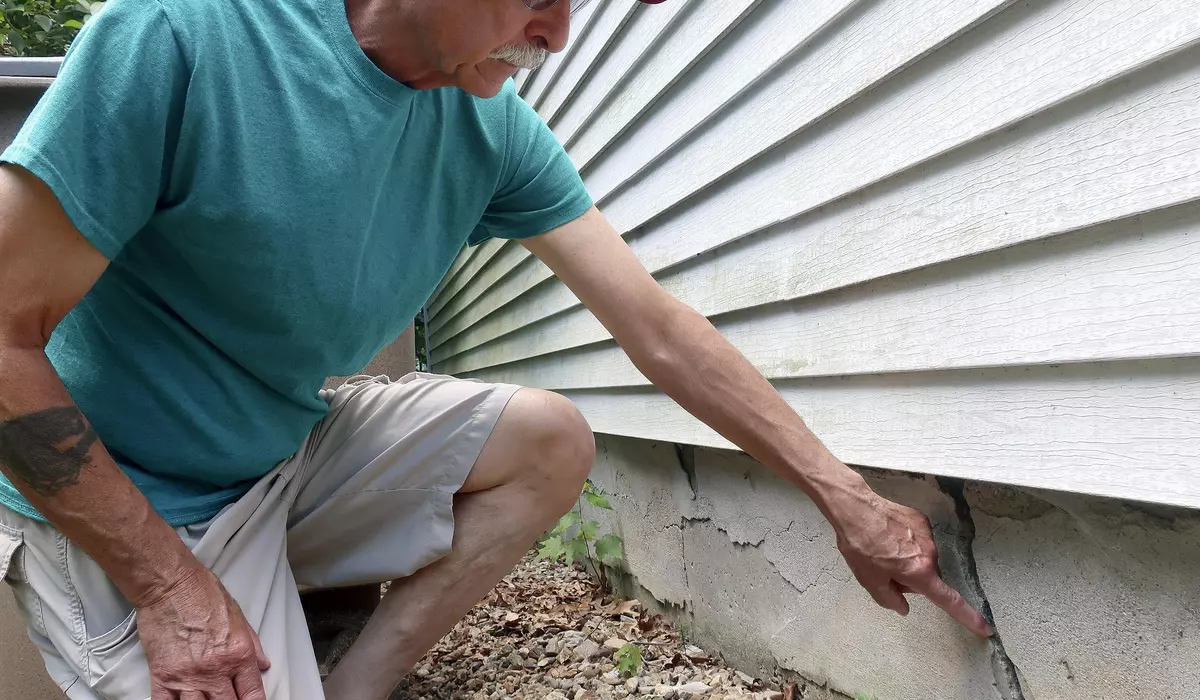
An old house can have plenty of character. Original wood floors, brick walls, and vintage details often give it a charm that newer homes cannot match. But sometimes, a small change catches a homeowner’s attention. A door suddenly sticks, a wall develops a crack, or the floor feels uneven underfoot.
These changes do not always mean the foundation is failing. Older homes naturally show signs of age, and some imperfections may have existed for years. However, new or worsening changes can point to foundation problems that deserve closer attention.
Understanding the signs of foundation problems in old homes helps homeowners make informed decisions before starting a renovation. It also helps prospective buyers recognize concerns that may need further investigation.
The key is knowing what to look for, what to document, and when to seek professional advice.
Key Takeaways
- Cracks, uneven floors, sticking doors, and basement moisture can signal potential foundation concerns.
- One symptom alone does not confirm foundation damage. The pattern, location, and progression matter.
- Older homes may have settled over time, but new or worsening changes should not be ignored.
- A qualified professional can assess suspected structural issues before renovation work begins.
What Are Foundation Problems in Old Homes?
Foundation problems occur when the base of a house develops damage, moves unevenly, or no longer supports the structure as intended. Possible causes include soil movement, water-related issues, deterioration, and long-term settlement.
Foundation settlement is the downward movement of a building’s foundation into the ground. Some settlement may occur over time, but uneven or continuing movement can create structural concerns.
For homeowners, the challenge is separating normal aging from warning signs. A hairline crack in old plaster may be harmless, while a growing crack accompanied by a sloping floor deserves closer attention.
The goal is not to assume the worst. It is to recognize changes early enough to investigate them properly.
7 Signs Your Old Home May Have Foundation Problems
1. Cracks in Walls, Ceilings, or Brickwork
Small cracks are common in older houses. Plaster can crack as materials age, and seasonal changes may cause minor movement. However, new cracks or cracks that continue to grow deserve attention.
Homeowners should look for diagonal cracks near doors and windows, widening gaps, or cracks that appear alongside other changes. Exterior brickwork may also develop cracks when parts of a structure move differently.
What to check: Photograph the crack and record its location. Check whether it changes over time, and look for similar cracks nearby.
A single hairline crack does not prove foundation damage. But a growing crack combined with sticking doors or uneven floors warrants a professional assessment.
2. Doors and Windows That Suddenly Stick
An old wooden door may stick because of humidity, worn hinges, or layers of paint. Windows can also become harder to open as their frames age.
The concern increases when several doors or windows begin sticking around the same time. A frame may become misaligned if the surrounding structure moves.
For example, a bedroom door that worked normally for years may suddenly rub against its frame. If nearby windows also become difficult to close, the pattern deserves investigation.
What to check: Notice which doors and windows are affected. Look for uneven gaps around their frames, and check whether the problem appeared recently.
Do not assume the foundation is responsible. A qualified professional can help distinguish ordinary maintenance issues from possible structural movement.
3. Uneven or Sloping Floors
Older homes often have floors that are not perfectly level. Original framing, worn materials, and changes made during past renovations can contribute to uneven surfaces.
However, a floor that develops a noticeable slope or begins sagging more than before needs closer attention. Possible causes include foundation movement, damaged floor joists, or weakened support posts.
Floor joists are horizontal structural members that support the floor above them. Problems with these components can resemble foundation issues, even when the foundation itself is not the cause.
What to check: Notice whether furniture begins tilting, floorboards separate, or a previously level area develops a new slope. Pay attention to changes near the basement or crawl space.
Avoid trying to level a floor before the cause is understood. Covering the symptom without addressing its source may lead to further repairs later.
4. Gaps Around Doors, Windows, and Trim
Small gaps between trim and walls can develop as caulk dries, wood shrinks, or materials age. These changes are not automatically signs of foundation trouble.
More concerning gaps may appear when walls, floors, and frames shift in relation to one another. Homeowners might notice separation above a doorway, widening spaces along baseboards, or gaps where interior walls meet ceilings.
The pattern matters more than one isolated imperfection. Several new gaps appearing in different parts of the house may suggest movement that needs further investigation.
What to check: Compare affected areas with older photographs, if available. Note whether gaps are growing or appearing alongside cracks and uneven floors.
Before filling the gaps, identify whether the movement is ongoing. Cosmetic repairs may be appropriate once the underlying cause has been assessed.
5. Cracks or Movement in Basement Foundation Walls
Basement walls offer a useful place to look for potential foundation concerns. Homeowners may notice cracks in concrete, brick, stone, or concrete blocks.
Not every foundation crack indicates serious damage. However, widening cracks, noticeable wall movement, or cracks accompanied by water entry deserve professional attention.
A wall that appears to bow inward may be experiencing pressure from the surrounding soil. This should not be treated as a simple cosmetic problem.
What to check: Look for changes in crack width, displaced masonry, and sections of wall that appear to lean or bulge. Avoid disturbing damaged areas if the wall appears unstable.
If a foundation wall shows significant movement or sudden changes, arrange a prompt professional evaluation. Avoid major renovation work in the affected area until its condition has been assessed.
6. Persistent Basement Moisture or Water Intrusion
A damp basement does not automatically mean the foundation is failing. Water may enter because of blocked gutters, poor drainage, plumbing leaks, or condensation.
Still, recurring water near foundation walls can contribute to deterioration and may indicate a drainage problem that needs attention. Water can also pass through cracks and joints when moisture builds up around the foundation.
Warning signs include persistent damp patches, water stains, musty odors, peeling finishes, and white mineral deposits on masonry. These signs help identify moisture problems, although they do not establish their exact cause.
What to check: Inspect gutters and downspouts, observe where rainwater collects, and note whether damp areas return after rainfall.
Keep water moving away from the house where practical and safe. If moisture persists, investigate its source before installing new basement finishes or covering affected walls.
7. Recurring Repairs or Signs That Keep Getting Worse
Repeated repairs can reveal a pattern that individual fixes may hide. A homeowner might patch a wall crack, repaint the room, and later notice the same crack returning.
Similarly, doors may need repeated adjustments, or floor gaps may keep reappearing after cosmetic work. These problems can have several causes, including aging materials and damaged framing.
The important question is whether the same symptoms keep returning or whether new ones are appearing nearby.
What to check: Review past repair records, photographs, and inspection reports. Note which problems returned and whether other changes developed at the same time.
Repeated repairs do not prove foundation damage. However, they are a reason to investigate the underlying cause instead of continuing to patch visible symptoms.
What Should Homeowners Do After Spotting These Signs?
Recognizing a warning sign is only the first step. The next step is gathering useful information without attempting repairs that could hide a larger problem.
A simple approach can help homeowners decide what to do next.
The Observe, Document, Assess Framework
- Observe: Identify cracks, gaps, water stains, sloping floors, or changes in doors and windows.
- Document: Take photographs, record dates, and note whether symptoms appear to be changing.
- Check moisture: Look for leaking pipes, blocked gutters, and water collecting near the house.
- Arrange an assessment: Contact a qualified structural professional if signs are worsening or several symptoms appear together.
- Plan repairs: Address the confirmed cause before completing cosmetic work or proceeding with major renovations.
This process helps homeowners explain their concerns clearly and avoid spending money on repairs that may not address the underlying issue.
Common Mistakes to Avoid
Practice | When it helps | Simple cue | Mistake |
Photographing cracks | When changes first appear | Keep dated pictures | Relying on memory |
Checking drainage | After rain or during routine maintenance | Look for standing water | Ignoring blocked downspouts |
Monitoring door alignment | When doors begin sticking | Note changes over time | Assuming every sticking door means foundation damage |
Getting a professional assessment | When symptoms worsen or appear together | Document multiple warning signs | Guessing at the cause |
Planning renovations carefully | Before removing walls or replacing floors | Assess structural concerns first | Covering damage with new finishes |
Misconceptions About Foundation Problems in Older Homes
Misconception 1: Every crack means the foundation is failing.
Small cracks can result from ordinary material changes. Their location, size, progression, and surrounding symptoms help determine whether further investigation is needed.
Misconception 2: An old house with uneven floors always needs foundation repair.
Uneven floors can result from aging floor joists, past alterations, or other structural conditions. The cause should be identified before repairs are selected.
Misconception 3: Fresh paint or patched plaster solves the problem.
Cosmetic repairs improve appearance but do not correct ongoing movement or moisture intrusion. Address the cause before covering the affected area.
When Should a Professional Inspect an Older Home?
A professional evaluation is worth arranging when cracks grow, several doors become misaligned, floors develop new slopes, or foundation walls show signs of movement.
Sudden changes, significant wall displacement, or rapidly worsening damage deserve prompt attention. If a wall appears unstable, keep people away from the affected area and seek urgent professional guidance.
An inspection can help identify whether the concern involves the foundation, drainage, floor framing, or another building component. The findings also help homeowners make informed decisions about repair priorities and renovation plans.
For buyers, a general home inspection can identify concerns that require further evaluation. A specialist may be needed when the findings suggest a structural problem.
Protecting an Older Home Before Renovation
Historic home renovation and restoration require careful planning because visible finishes do not always reveal the condition of the structure beneath them.
Before replacing floors, refinishing basement walls, or repairing plaster, homeowners should investigate any unexplained structural changes. This can help them plan the work in a sensible order and reduce the risk of redoing finished areas.
Drainage maintenance also matters. Keeping gutters clear, directing downspouts away from the house, and preventing water from collecting beside foundation walls can help manage moisture. Persistent water problems still require investigation to determine whether additional measures are needed.
Conclusion
Foundation problems in old homes can be difficult to identify because some warning signs resemble ordinary wear and tear. Cracked walls, sticking doors, uneven floors, basement moisture, and recurring repairs all deserve attention when they are new or getting worse.
The best approach is to observe changes, document what happens, and seek professional advice when concerns persist. Homeowners do not need to assume every imperfection signals serious damage, but they should avoid ignoring patterns that suggest movement or deterioration.
With careful assessment and thoughtful renovation planning, older homes can remain functional, comfortable, and ready for their next chapter.
For guidance on historic home renovation and structural concerns during renovation planning, contact In the D Construction at email info@inthedconstruction.com, or call (313) 400-3520.
FAQ
1. What are the most common signs of foundation problems in old homes?
Common warning signs include growing wall cracks, sticking doors and windows, uneven floors, gaps around frames, basement wall damage, persistent moisture, and recurring repairs. None confirms foundation damage on its own.
2. Are foundation cracks normal in older houses?
Some cracks develop as building materials age and move. Cracks that widen, appear alongside other symptoms, or show signs of displacement should be assessed by a qualified professional.
3. Can water in a basement indicate foundation problems?
Yes, water may enter through foundation cracks or joints. However, poor drainage, plumbing leaks, and condensation can also cause basement moisture. Identifying the source is essential.
4. Should foundation concerns be addressed before renovating an old home?
Yes. Suspected structural problems should be assessed before major cosmetic or renovation work begins. Understanding the cause helps homeowners plan appropriate repairs and avoid covering damage that may return.
5. Can In the D Construction help with older home renovation planning?
Homeowners can contact the company through its website to discuss historic home renovation and restoration needs. Suspected foundation damage should be evaluated by an appropriately qualified professional before repair decisions are made.