
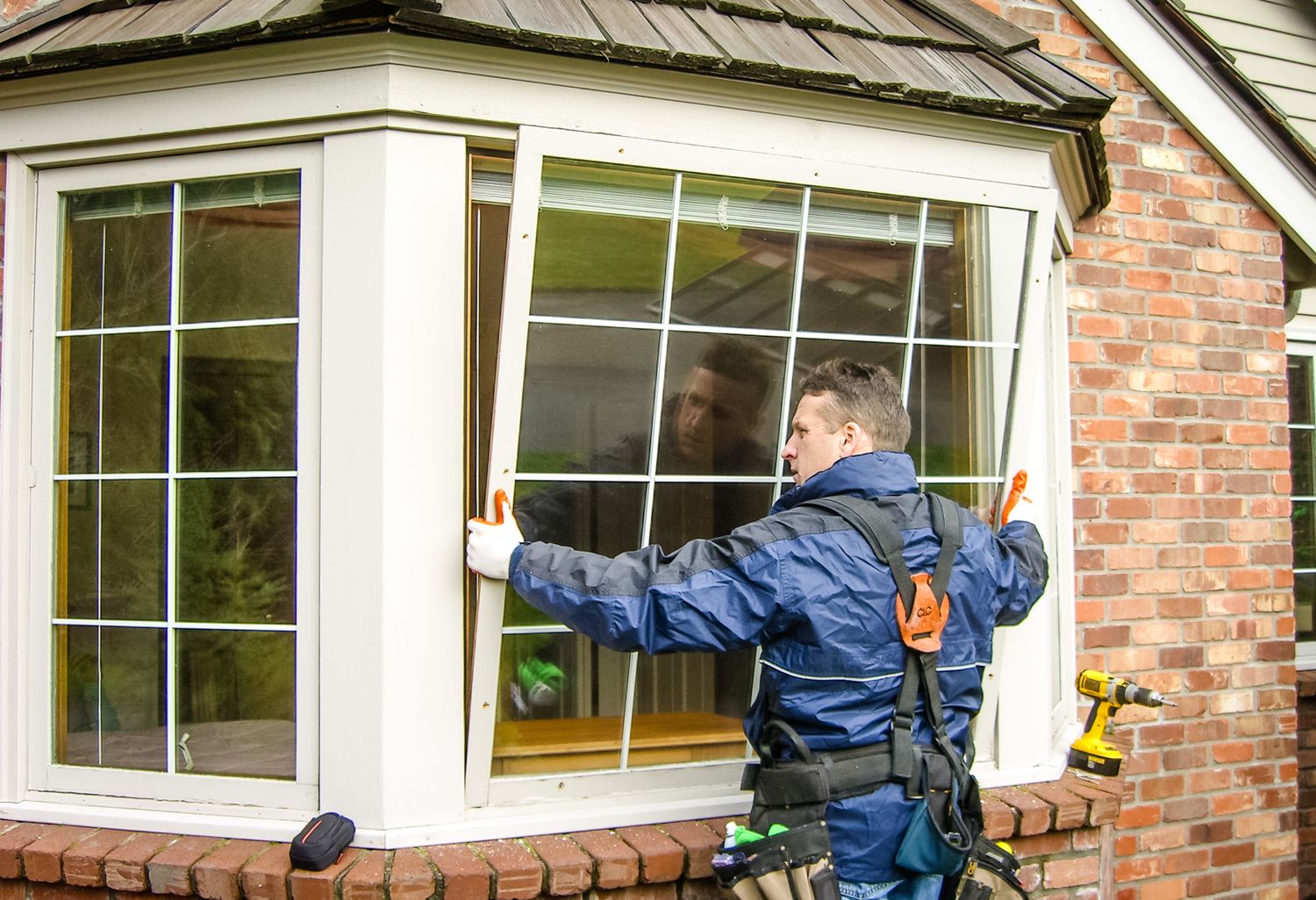
You don’t really think about your windows until one winter morning when cold air slips in and your energy bill spikes. Suddenly, that small upgrade feels urgent. That’s usually when homeowners start asking the same question, what is this actually going to cost me?
The answer isn’t one number. It’s a range shaped by choices, priorities, and the condition of your home. Let’s break it down in a way that actually helps you plan.
Key Takeaways
- Most homeowners spend $300–$1,200 per window installed
- Total costs vary widely based on materials, labor, and home size
- Energy-efficient upgrades cost more upfront but reduce long-term bills
- Smart planning avoids hidden expenses and overspending
What Is Window Replacement Cost?
Window Replacement Cost is the total expense of removing old windows and installing new ones, including materials, labor, and any structural adjustments.
It’s not just about the window itself. It’s about everything required to make it fit, seal, and perform properly in your home.
The Real Problem: Why Costs Feel Confusing
If you’ve searched online, you’ve probably seen wildly different numbers. That’s because:
- Homes vary (age, structure, accessibility)
- Window types differ significantly
- Installation complexity changes everything
So instead of looking for one price, it’s better to understand the price drivers.
Window Replacement Cost: What You’re Really Paying For
1. Window Type & Design
Basic styles like single-hung or sliding windows are more affordable. But if you’re considering bay or custom designs, the cost rises quickly due to size and complexity.
2. Materials Matter
A simple vinyl vs wood window cost comparison shows a clear difference:
- Vinyl = budget-friendly, low maintenance
- Wood = premium look, higher cost
- Fiberglass = durable, mid-to-high range
3. Labor & Installation
Window replacement labor cost depends on:
- Ease of access
- Structural repairs
- Retrofit vs full frame window replacement
Older homes often require more work, increasing costs.
A Simple Framework to Estimate Costs
If you’re trying to plan your budget, use this:
How to Estimate Window Replacement Cost
- Count total windows in your home
- Choose your preferred window type and material
- Add labor based on installation complexity
- Include upgrades (energy-efficient glass, frames)
- Set aside 10–15% for unexpected costs
This gives you a realistic working estimate instead of guesswork.
Quick Cost Comparison
| Practice | When it helps | Simple cue | Mistake |
| Choosing vinyl windows | Budget-focused projects | “Keep it simple” | Ignoring long-term durability |
| Full frame replacement | Old or damaged frames | “Start fresh” | Higher cost surprise |
| Energy-efficient upgrade | High energy bills | “Invest now, save later” | Expecting instant ROI |
| Bulk replacement | Whole home upgrade | “Do it once” | Not negotiating pricing |
Cost Insights Most Homeowners Miss
Here’s where many people misjudge the process:
- Hidden costs of window replacement can include frame repair or insulation upgrades
- The cost per window installed drops when replacing multiple windows at once
- Custom window replacement cost is significantly higher than standard sizes
- The best time to replace windows cost-wise is often off-season when demand is lower
A Real-World Scenario
Imagine a homeowner replacing 10 aging windows in a 20-year-old house.
They choose mid-range vinyl windows with double-pane glass. Initially, they expect a moderate price, but once installation begins, minor frame damage is discovered.
Final result:
- Base cost: within expected range
- Added repair: +15%
- Long-term benefit: reduced drafts and lower energy bills
That’s a typical example of how costs evolve during a project.
Energy Efficiency: Worth the Extra Cost?
Upgrading to double or triple pane windows increases upfront pricing, but it pays off over time.
According to the U.S. Department of Energy, energy-efficient windows can significantly reduce heating and cooling costs. You can explore more here:
https://www.energy.gov/energysaver/windows
That’s where the real value comes in, not just in appearance but in performance.
A Common Misconception
Many homeowners believe the cheapest option saves money.
It often doesn’t.
As Benjamin Franklin once said:
“The bitterness of poor quality remains long after the sweetness of low price is forgotten.”
Cheap windows may lead to:
- Air leaks
- Higher energy bills
- Early replacements
When Should You Replace Your Windows?
Signs you shouldn’t ignore:
- Drafts or temperature fluctuations
- Difficulty opening/closing
- Visible damage or moisture buildup
- Rising energy costs
If you notice two or more of these, replacement is likely overdue.
Making the Right Choice for Your Home
The goal isn’t just to reduce Window Replacement Cost, it’s to maximize value.
Working with professionals like window installation services Detroit MI through In The D Construction ensures:
- Proper installation
- Long-term durability
- Better overall investment
Because even the best window fails if installed poorly.
Conclusion
So, how much does it cost on average?
The honest answer: it depends but now you know what it depends on.
By understanding materials, labor, and hidden factors, you can move from uncertainty to control. And that’s what really matters when planning a home upgrade.
Summary
Window replacement costs vary based on design, materials, and installation complexity, typically ranging from $300 to $1,200 per window. Understanding cost drivers helps you avoid surprises and make smarter decisions. Investing in quality windows and proper installation delivers better long-term value. The key is planning with clarity, not guessing.
FAQs
1. How much does window replacement cost per window?
On average, it ranges between $300 and $1,200 depending on type, material, and labor.
2. What affects the cost the most?
Window type, frame material, and installation complexity are the biggest factors.
3. Is full house window replacement expensive?
Yes, but replacing all windows at once can reduce the cost per unit.
4. Are energy-efficient windows worth it?
Yes, they cost more upfront but reduce energy bills over time.
5. How can I save money on window replacement?
Choose standard sizes, replace multiple windows together, and plan during off-peak seasons.