
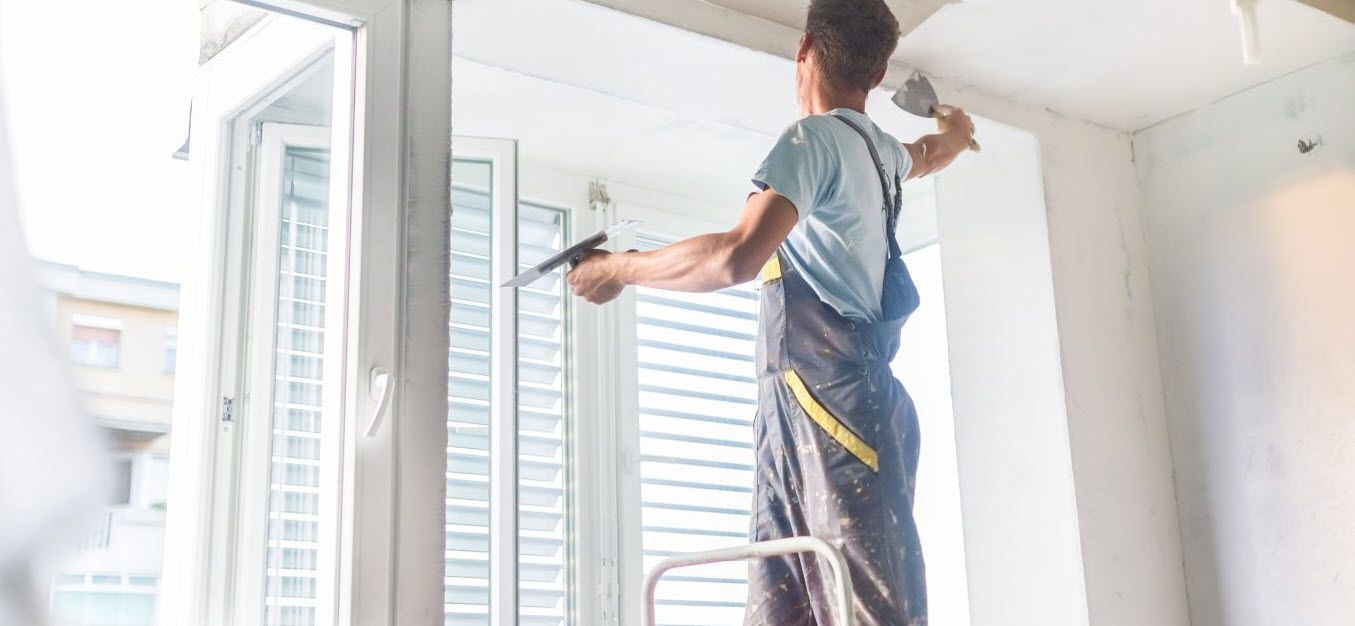
Plaster walls are a hallmark of classic home design, offering durability, elegance, and a smooth finish that paint alone can’t replicate. Over time, however, these walls can develop issues that not only affect their appearance but also their structural integrity. Understanding common problems and their solutions can help homeowners maintain the beauty and longevity of plaster surfaces. Whether you’re tackling minor cracks yourself or seeking professional guidance, knowing how to approach plaster wall repair is essential.
Common Problems with Plaster Walls
Plaster walls can be prone to several common issues. Identifying these problems early allows for timely repair, preventing more extensive damage down the road.
Cracked Plaster Walls
Cracks are one of the most common issues in plaster walls. Small hairline cracks often appear due to natural settling of the home, minor temperature changes, or fluctuations in humidity. While these minor cracks are usually cosmetic, larger cracks may indicate structural movement or underlying issues such as foundation shifts. Ignoring these cracks can lead to more extensive damage, making plaster wall repair more costly and complicated.
Holes and Dents in Plaster
Holes and dents often occur from everyday accidents, like moving furniture or hanging heavy pictures. While small imperfections can be patched with minimal effort, larger holes or deep dents require more intensive repairs, sometimes involving partial wall replacement. Using the right materials and techniques is key to achieving a smooth, seamless finish that blends with the surrounding plaster.
Water-Damaged Plaster
Water damage is another common concern for plaster walls. Leaks from plumbing, roofs, or windows can weaken the plaster, causing bubbling, discoloration, or crumbling. Addressing the source of moisture is critical before attempting any repairs. Once the water problem is resolved, affected plaster areas can be patched, reinforced, or replaced, ensuring long-term durability and restoring the wall’s aesthetic appeal.
Solutions for Plaster Wall Repair
The approach to plaster wall repair depends on the type and severity of the damage. Homeowners have options ranging from DIY fixes for minor issues to professional restoration for larger problems.
DIY Plaster Wall Repair
For minor cracks and small holes, DIY plaster repair is often sufficient. Start by cleaning the damaged area, applying a plaster patching compound, and sanding it smooth once it dries. After priming, a fresh coat of paint will make the repair virtually invisible. DIY solutions are cost-effective and convenient but should only be attempted for minor surface issues.
Professional Plaster Repair
When dealing with extensive damage, sagging plaster, or water-compromised walls, it’s wise to consult a Plaster Repair Expert Detroit MI. Professionals can assess structural integrity, re-lathe loose areas, and ensure repairs are long-lasting. Hiring experts like In The D Construction guarantees that repairs are performed using the correct materials and techniques, preventing future problems.
Plaster Patching Techniques
Patching techniques vary depending on the damage. Common methods include:
- Spot Patching: Filling small holes and cracks with plaster compound.
- Skim Coating: Applying a thin layer of plaster over larger areas for a smooth finish.
- Re-Lathing: Reattaching plaster to lath or replacing damaged sections entirely.
Selecting the right technique ensures that the repaired wall maintains both structural strength and aesthetic appeal.
Tools Needed for Plaster Repair
Proper tools make plaster wall repair easier and more effective. Common tools include:
- Trowels and putty knives for applying and smoothing plaster.
- Sandpaper or sanding blocks for finishing.
- Plaster compound or patching materials.
- Primer and paint for final touch-ups.
Having the right equipment prevents mistakes and produces a professional-quality finish, even for DIY repairs.
Maintenance and Prevention Tips
Preventing future damage is just as important as repairing existing issues. Proper maintenance keeps plaster walls strong and visually appealing.
Preventing Plaster Cracks
Cracks often result from minor structural shifts or environmental changes. Maintaining consistent indoor humidity, avoiding excessive wall stress, and promptly addressing small cracks can prevent them from worsening over time. Regular inspections also help catch early signs of damage before they escalate.
Controlling Moisture in Your Home
Water damage is a leading cause of plaster deterioration. Prevent leaks by maintaining plumbing, roofs, and windows. Using dehumidifiers in areas prone to moisture and ensuring proper ventilation also protects walls from long-term damage.
Regular Plaster Wall Maintenance
Routine maintenance includes cleaning walls gently, inspecting for cracks or dents, and addressing minor issues quickly. Keeping up with repairs not only preserves wall integrity but also enhances the overall value and appearance of your home.
FAQs
1. How do I know if my plaster wall needs professional repair?
If cracks are large, plaster is sagging, or there’s water damage, it’s best to consult a professional. Minor surface cracks can often be fixed with DIY methods.
2. Can I repair plaster walls myself?
Yes, small holes and hairline cracks can be patched at home using plaster compound, sandpaper, and paint. Larger or structural issues require professional assistance.
3. How long does plaster wall repair last?
When done correctly, plaster repairs can last for many years. Proper preparation, quality materials, and addressing underlying issues like moisture are key to durability.
4. What causes plaster walls to crack?
Cracks can result from natural settling, temperature fluctuations, moisture exposure, or structural movement in the home.
5. Are plaster walls better than drywall?
Plaster walls are more durable, offer a smoother finish, and provide better sound insulation. However, they require more maintenance and skilled repair compared to drywall.
Conclusion
Plaster walls are elegant and long-lasting, but they are not immune to damage. By understanding the common problems such as cracks, holes, and water damage, homeowners can take proactive steps to maintain their walls. Whether you choose DIY fixes or hire a Plaster Repair Expert Detroit MI like In The D Construction, timely repair and proper maintenance ensure that your plaster walls remain beautiful and structurally sound for years to come.
Investing in quality repair and regular upkeep not only protects your walls but also preserves the character and value of your home. With the right approach, plaster wall repair can be straightforward, effective, and long-lasting.