
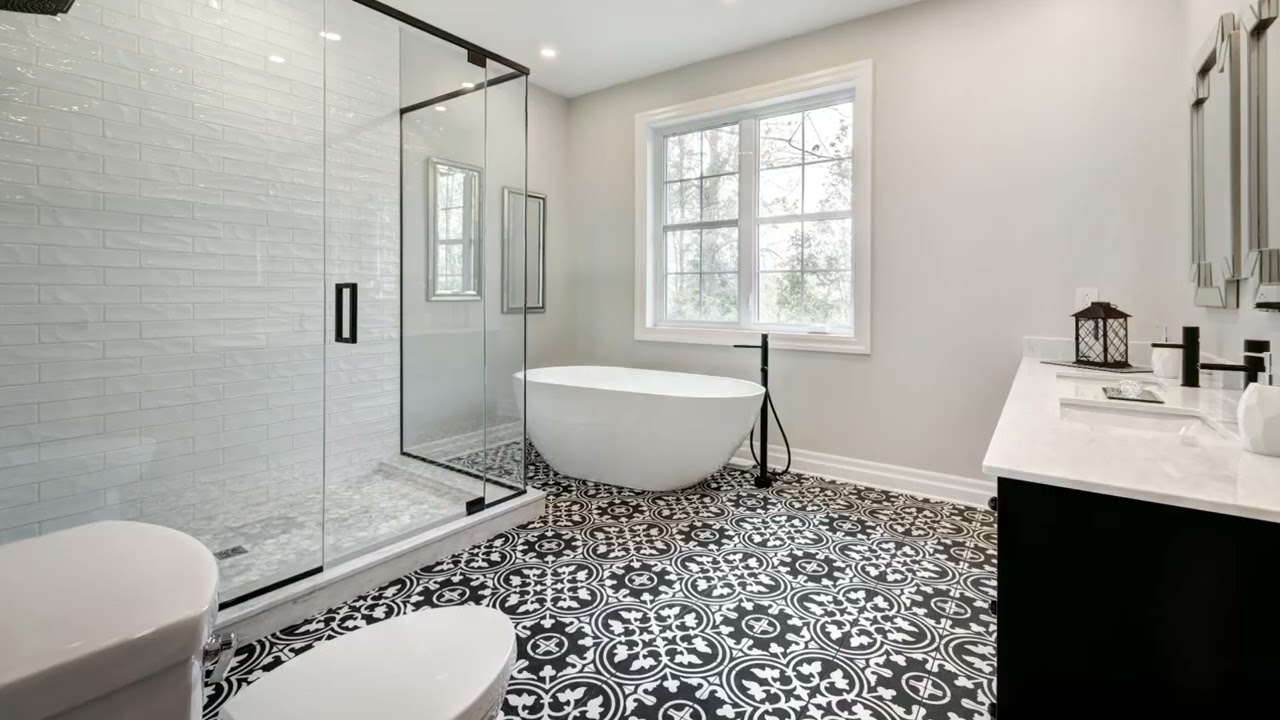
Imagine waking up on a Monday morning, walking into your bathroom, and realizing that every little inconvenience has finally become too much. The vanity is too small, storage is overflowing, the lighting feels dim, and those outdated tiles remind you of another decade. You’ve been thinking about updating the space for years, but the idea of planning the project feels overwhelming.
The good news is that a successful bathroom renovation doesn’t begin with demolition. It starts with a thoughtful plan. When you know what to expect and prepare for each stage, the entire process becomes far more manageable, helping you avoid expensive surprises while creating a space you’ll enjoy for years.
Key Takeaways
- Define your goals before selecting materials or fixtures.
- Create a realistic bathroom renovation budget that includes a contingency fund.
- Plan the layout carefully before purchasing products.
- Work with experienced professionals to ensure quality craftsmanship.
What Is Bathroom Renovation Planning?
Bathroom renovation planning is the process of organizing your budget, design, layout, materials, and timeline before construction begins. A detailed plan helps reduce delays, keeps costs under control, and ensures the finished space meets your daily needs.
Why Planning Matters More Than You Think
Many homeowners get excited about beautiful tile patterns or luxury showers before considering practical details. Unfortunately, rushing into a bathroom renovation without preparation often leads to design changes, budget overruns, and unnecessary stress.
A well-planned project gives you confidence in every decision. Instead of reacting to problems, you’re anticipating them.
According to the U.S. Environmental Protection Agency, replacing older plumbing fixtures with WaterSense-labeled products can save the average family more than 13,000 gallons of water annually. https://www.epa.gov/watersense
Step 1: Decide What You Want to Achieve
Before looking through photos or visiting showrooms, ask yourself why you’re remodeling.
Common goals include:
- Better storage
- Improved functionality
- Modern appearance
- Increased home value
- Better accessibility
- Water-efficient fixtures
Your priorities will influence every decision that follows, from the floor plan to material selections.
Step 2: Set a Realistic Budget
One of the biggest reasons projects become stressful is underestimating expenses. A thoughtful bathroom renovation budget should include more than materials.
Plan for:
- Labor
- Fixtures
- Cabinets
- Flooring
- Lighting
- Plumbing updates
- Painting
- Unexpected repairs
Many professionals recommend keeping an additional contingency fund for hidden issues discovered after demolition.
Step 3: Measure Your Space Carefully
Good measurements prevent expensive mistakes.
Take note of:
- Room dimensions
- Door swings
- Window placement
- Plumbing locations
- Ceiling height
- Electrical outlets
Accurate measurements also make bathroom layout planning much easier when deciding where everything should go.
Step 4: Gather Design Inspiration
This is the enjoyable part of the process.
Collect ideas that match your lifestyle rather than simply following trends. Browse magazines, online galleries, and completed remodeling projects to identify colors, finishes, and layouts you genuinely enjoy.
Strong bathroom design inspiration balances beauty with practicality.
Ask yourself:
- Do I prefer a bright modern look?
- Would natural wood create a warmer atmosphere?
- Is extra storage more valuable than a larger vanity?
- Would a walk-in shower improve everyday convenience?
Step 5: Plan the Layout First
Changing plumbing locations can increase the bathroom renovation cost, so think carefully before moving toilets, showers, or sinks.
A smart layout should improve traffic flow while maximizing storage and comfort.
Simple Bathroom Planning Framework
- Identify daily frustrations.
- Prioritize function before appearance.
- Keep plumbing changes minimal when possible.
- Choose finishes that fit your budget.
- Finalize every detail before construction begins.
Following this sequence helps avoid last-minute decisions that often delay projects.
Step 6: Choose Materials That Last
Bathrooms experience constant moisture and temperature changes.
Select materials designed for durability, including:
- Porcelain tile
- Quartz countertops
- Moisture-resistant paint
- Quality cabinetry
- Slip-resistant flooring
Choosing higher-quality materials often reduces maintenance over time.
Step 7: Spend Time Choosing Fixtures
One of the most overlooked parts of planning is choosing bathroom fixtures.
Think beyond appearance.
Consider:
- Water efficiency
- Ease of cleaning
- Comfort
- Warranty
- Long-term durability
Matching finishes throughout the room creates a more polished appearance.
Bathroom Planning Checklist
A practical bathroom renovation checklist keeps your project organized from beginning to end.
|
Planning Task |
When It Helps |
Simple Cue |
Common Mistake |
|
Set priorities |
Before design |
Know your goals |
Copying trends blindly |
|
Measure the room |
Early planning |
Measure twice |
Guessing dimensions |
|
Finalize layout |
Before purchases |
Function first |
Moving plumbing unnecessarily |
|
Select materials |
Before ordering |
Balance style and durability |
Buying everything separately |
|
Confirm schedule |
Before construction |
Plan ahead |
Ignoring delivery times |
Step 8: Create a Realistic Timeline
Every remodeling project takes time.
Your bathroom renovation timeline should account for:
- Design approval
- Material ordering
- Product delivery
- Demolition
- Plumbing
- Electrical work
- Flooring
- Painting
- Final inspection
Delays occasionally happen because materials arrive late or hidden structural issues appear after demolition. Building flexibility into your schedule reduces frustration.
Common Misconceptions About Bathroom Remodeling
Many homeowners believe every project requires luxury materials to look impressive.
That’s simply not true.
Thoughtful planning, quality workmanship, and timeless design choices often create better long-term value than expensive finishes alone.
Another misconception is that bigger always means better. Sometimes improving storage, lighting, and organization transforms a small bathroom into a much more enjoyable space without increasing its size.
A Realistic Homeowner Scenario
Sarah purchased a charming older home with a bathroom that hadn’t been updated in decades.
Initially, she planned to replace everything immediately. After spending time on bathroom remodeling planning, she realized the existing layout worked well. Instead of relocating plumbing, she invested in better lighting, custom storage, durable flooring, and modern fixtures.
The result looked completely different while staying within her original budget because she focused on solving everyday problems instead of making unnecessary structural changes.
Her experience highlights how thoughtful preparation often produces better outcomes than rushing into construction.
When to Hire a Professional
Some cosmetic updates are manageable for experienced DIY homeowners.
However, larger projects involving plumbing, electrical systems, waterproofing, or structural changes are usually best left to professionals.
If you’re considering Bathroom Renovation Services Detroit MI, working with experienced contractors can help ensure permits, inspections, installation quality, and project coordination are handled correctly from start to finish.
Experienced professionals also identify potential issues before they become expensive repairs.
Companies like In The D Construction understand that successful remodeling begins long before the first tile is installed. Careful planning, clear communication, and quality craftsmanship help homeowners feel confident throughout every phase of the project.
Mistakes to Avoid
Even well-planned projects can encounter challenges.
Try to avoid these common mistakes:
- Starting demolition before finalizing your design
- Underestimating your bathroom renovation expenses
- Ignoring ventilation needs
- Selecting style over durability
- Purchasing materials without confirming measurements
- Forgetting about future storage needs
Small planning mistakes often become expensive construction problems.
Conclusion
A successful bathroom renovation is built on preparation rather than luck. Taking time to define your goals, organize your budget, refine your layout, and choose durable materials makes every stage smoother and more rewarding.
Whether you’re updating a guest bathroom or creating your dream primary suite, thoughtful planning helps you avoid unnecessary stress while making smarter long-term decisions. With careful preparation and trusted professionals like In The D Construction, you can transform an ordinary space into one that adds comfort, functionality, and lasting value to your home.
Summary
Planning before construction is the foundation of every successful bathroom renovation. By setting clear goals, creating a realistic budget, organizing your timeline, and selecting practical materials, you’ll reduce surprises throughout the project. Careful preparation leads to better decisions, improved functionality, and a finished bathroom that serves your family well for many years.
Frequently Asked Questions
1. How long does a bathroom renovation usually take?
Most projects take anywhere from two to six weeks, depending on the scope of work, material availability, and any unexpected repairs.
2. What should be included in a bathroom renovation budget?
Your budget should cover labor, materials, fixtures, permits if required, demolition, and a contingency fund for unforeseen expenses.
3. Is it worth hiring a bathroom remodeling contractor?
Yes. Hiring a bathroom remodeling contractor is often the safest choice for projects involving plumbing, electrical work, waterproofing, or structural modifications.
4. What is the first step before starting a bathroom renovation?
Begin by identifying your goals, measuring the space, and creating a detailed plan before purchasing materials or scheduling construction.
5. Why choose In The D Construction for my remodeling project?
In The D Construction focuses on careful planning, quality craftsmanship, and personalized remodeling solutions that help homeowners create functional, attractive bathrooms designed to last.