
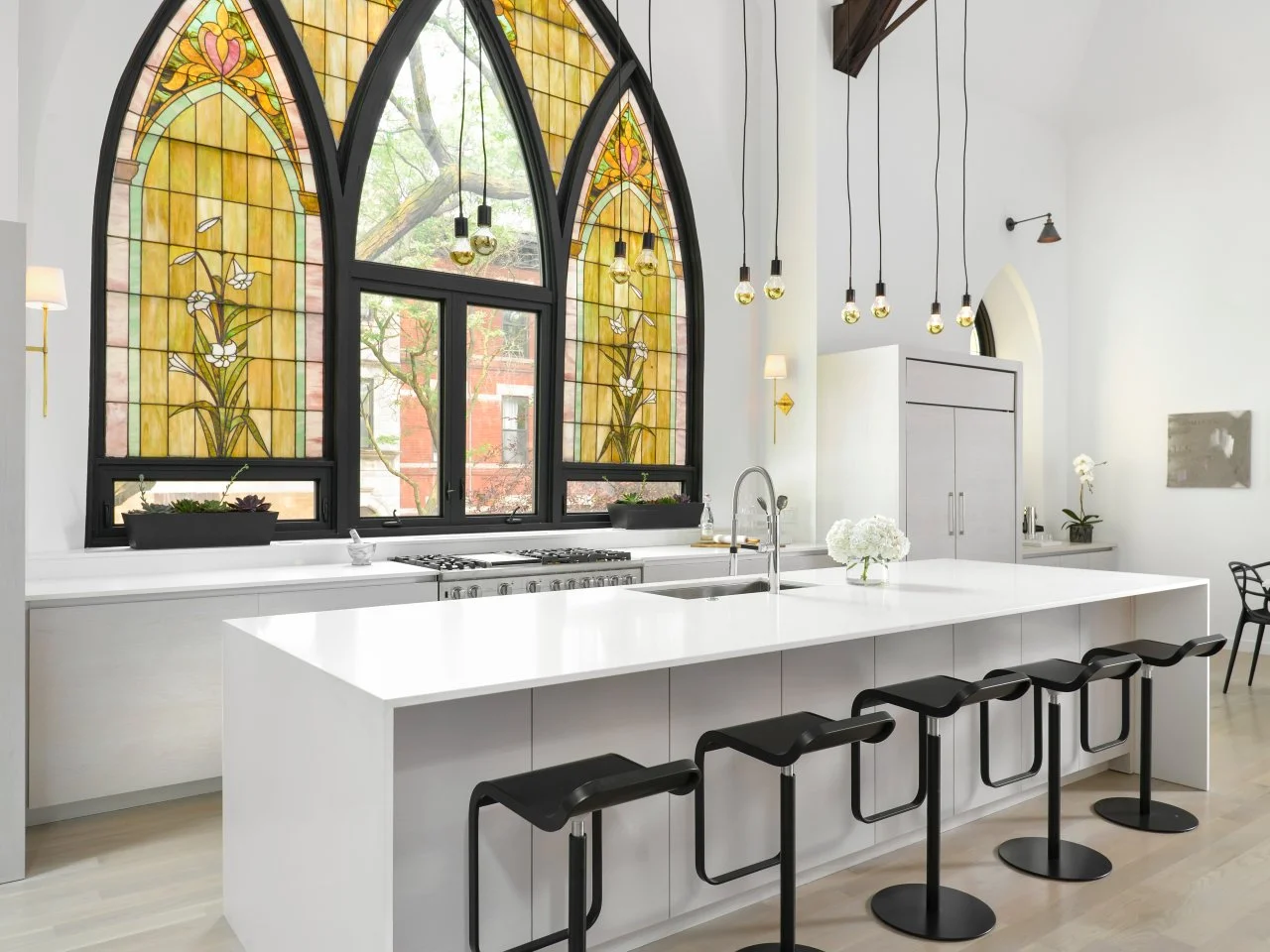
Imagine walking into an older home and noticing the way sunlight moves through a colored glass window. The room feels different. It has character before a single piece of furniture is added.
That visual impact is one reason homeowners consider stained glass during a renovation. But the first practical concern is usually Stained Glass Windows Cost.
The price can change significantly based on the window size, glass type, design complexity, craftsmanship, framing, installation, and restoration needs. Custom work usually costs more because every part of the design is created for a specific home.
Ready-made stained glass offers a simpler path. It can provide color, privacy, and decorative appeal without the same level of design work.
So which option makes more sense?
The answer depends on the home’s architecture, the location of the window, the desired look, and the available budget.
Key Takeaways
- Stained Glass Windows Cost depends on size, materials, design, craftsmanship, and installation requirements.
- Ready-made panels are generally the more budget-conscious choice.
- Custom stained glass provides greater control over colors, patterns, dimensions, and architectural style.
- A detailed project quote is more useful than relying on a general online price range.
What Does Stained Glass Windows Cost Include?
Stained Glass Windows Cost refers to more than the glass itself. A complete project can include design, material selection, fabrication, framing, structural preparation, installation, and finishing work.
A source reviewed for this topic lists typical Canadian residential examples ranging from about $500 to $1,500 installed for basic prefabricated panels, $2,000 to $4,500 for semi-custom designs, and $5,000 to $15,000 or more for custom artisan work. These figures are Canadian market examples, not Detroit-specific quotes, so homeowners should use them only as general planning references.
That distinction matters.
A small decorative panel inside an existing opening is a very different project from a large custom piece that requires new framing or structural changes.
The best budget starts with the actual opening, the desired design, and the installation conditions.
Custom vs. Ready-Made Stained Glass
The biggest difference is personalization.
Ready-made stained glass windows are produced around established designs and standard dimensions. They are useful when a homeowner likes an available pattern and wants a faster, simpler decorative solution.
Custom stained glass windows are created around the homeowner’s specific requirements. The designer can consider the home’s architecture, window dimensions, color palette, lighting, and personal preferences.
Option | Best for | Main advantage | Main limitation |
Ready-made | Budget-conscious projects | Lower project complexity | Limited design choices |
Semi-custom | Personalized residential spaces | More choice without full custom work | Some design restrictions |
Fully custom | Feature windows and historic homes | Complete design control | Higher cost and longer process |
Restoration | Existing historic glass | Preserves original character | Condition can affect final cost |
The source material also notes that semi-custom designs can use established patterns while allowing changes to colors and dimensions. Fully custom work requires more design and fabrication time.
What Drives Stained Glass Windows Cost?
Several factors can change the final price.
1. Window Size
A larger stained glass panel generally requires more material and labor.
A small bathroom window may need only a modest decorative panel. A large entryway window can require substantially more glass, framing, handling, and installation work.
Unusual shapes can also make fabrication and fitting more demanding.
Arched, circular, curved, or irregular openings should be measured carefully before the design is finalized.
2. Glass Type
Not all stained glass is the same.
Standard colored glass can provide an attractive result without the expense associated with specialty materials. Textured, opalescent, antique, or hand-blown glass can create different visual effects and may increase material costs.
The right glass should match the design rather than simply being the most expensive option.
For example, a homeowner may want premium glass for a small focal section while using simpler glass throughout the rest of the panel.
3. Design Complexity
This is one of the most important pricing factors.
A simple geometric pattern can require fewer individual pieces and less detailed fabrication. A detailed floral scene, portrait, or complex architectural pattern can involve many more cuts and joints.
More pieces generally mean more time spent cutting, fitting, assembling, and finishing the design.
That is why two windows with similar dimensions can have very different prices.
4. Craftsmanship
Handcrafted stained glass requires skill and careful attention to detail.
The construction method can also influence the project. Traditional lead came construction and copper foil techniques offer different design possibilities and require different levels of craftsmanship.
Homeowners should look beyond the lowest quote. A portfolio can reveal whether the craftsperson has experience with the type of work being requested.
5. Installation
The glass is only part of the project.
A straightforward rectangular opening on the first floor may be relatively simple to access. A second-story window, difficult opening, custom frame, or structural modification can require additional labor.
Installation should therefore be considered separately when comparing quotes.
For integrated projects, stained glass may also be positioned within a larger insulated window system. This can provide protection for the decorative glass while supporting the performance of the overall window assembly.
A Simple Budget Framework
A useful way to approach the project is the Design, Material, Installation, Condition framework.
Design
How complicated is the pattern? Does it require a completely original composition?
Material
What glass types, textures, colors, framing materials, and protective components are needed?
Installation
Is the existing opening suitable? Will new framing or structural work be required?
Condition
Is the project installing new glass, replacing damaged glass, or restoring an existing historic panel?
This framework helps homeowners compare estimates without focusing only on the final number.
A lower quote may not include the same materials or installation scope as a higher quote.
When Ready-Made Makes More Sense
Ready-made stained glass can be a practical choice when the homeowner wants decorative character without commissioning an entirely new design.
It may work particularly well in smaller spaces such as bathrooms, side entrances, transoms, or secondary windows.
The homeowner can select an existing pattern and focus the budget on proper sizing and installation.
This approach also makes sense when the window is decorative rather than the main architectural feature of the room.
The key is choosing a design that feels intentional. A ready-made panel should still complement the home’s colors, architecture, and surrounding finishes.
When Custom Stained Glass Is Worth Considering
Custom work becomes more attractive when the window has an important visual role.
An entryway, dining room, staircase, or prominent street-facing window may deserve a design created specifically for the space.
Custom stained glass can also be useful in historic homes where the goal is to respect an existing architectural character.
The design can take cues from the home’s period without copying every original detail.
For homeowners planning Art Glass Installation Detroit MI, professional planning can help ensure the decorative glass works with the existing architecture and installation conditions.
Likewise, projects involving broader Window Installation Services Detroit MI may benefit from coordinating the decorative glass with the surrounding window system.
Real-World Example
Consider a homeowner renovating an older Detroit house.
The entryway has a plain glass panel that feels disconnected from the home’s original character. The homeowner wants more privacy but still wants natural light.
One option is a ready-made geometric stained glass panel.
Another option is a custom design using colors and patterns that complement the home’s existing woodwork.
The ready-made option may provide the desired visual change with less design work. The custom option may require a larger investment but can create a stronger connection between the window and the home’s architecture.
Neither choice is automatically better.
The right choice depends on how important that window is to the overall design.
Common Mistakes to Avoid
Choosing Based Only on Price
The lowest quote may not represent the lowest overall project cost.
Homeowners should check what is included for design, materials, framing, installation, and finishing.
Ignoring the Existing Window
A stained glass panel must work with its opening and surrounding structure.
Old frames, damaged wood, uneven openings, or previous alterations can affect the installation.
Making the Design Too Complex
More detail is not always better.
A complicated design can become visually overwhelming, especially in a small window. Simpler patterns can sometimes make a stronger architectural statement.
Skipping the Design Review
Color can look different depending on the amount and direction of natural light.
Homeowners should review the proposed colors, pattern, dimensions, and placement before fabrication begins.
Treating Every Home the Same
A stained glass design that works beautifully in a historic home may feel out of place in a modern interior.
The design should support the home’s architecture rather than compete with it.
Do This, Not That
Do this | Not that |
Compare complete project quotes | Compare glass prices alone |
Review the design before fabrication | Approve a design without seeing details |
Consider the home’s architecture | Choose a pattern without context |
Ask about installation requirements | Assume installation is simple |
Set a realistic budget | Expect one universal price |
Prioritize important feature windows | Spend heavily on every window |
How to Plan the Project
A homeowner can make the process easier by following a few basic steps.
- Identify the window location
Decide whether the glass will be a focal feature or a smaller decorative accent. - Measure the opening
Accurate dimensions help prevent design and installation problems. - Choose the design level
Decide between ready-made, semi-custom, and fully custom work. - Select materials
Discuss glass colors, textures, patterns, framing, and protective options. - Request a detailed quote
Make sure design, fabrication, installation, and additional work are clearly explained. - Review the final design
Confirm the pattern and materials before fabrication begins.
Maintenance and Long-Term Value
Stained glass is decorative, but it still needs reasonable care.
Gentle cleaning and periodic inspection can help identify problems before they become larger repairs. Existing historic panels may eventually need restoration when structural components weaken or individual pieces become damaged.
Restoration can be especially valuable when the original glass contributes to the identity of an older home.
In those situations, replacing everything may remove character that cannot easily be recreated.
Choosing a Professional
A good stained glass project begins with clear communication.
Homeowners should review completed work and ask how the professional handles design approvals, material selection, installation, and unexpected conditions.
For restoration or integrated window projects, experience matters even more. The installer needs to understand how decorative glass interacts with the existing opening and surrounding window components.
A detailed written quote should explain the scope of work and identify items that could change the final price.
For homeowners seeking custom stained glass design and installation, In The D Construction can help coordinate decorative glass work as part of a residential renovation. The team can be contacted at 313-400-3520 or info@inthedconstruction.com.
Frequently Asked Questions
How much do stained glass windows cost?
The price varies according to size, design, glass type, craftsmanship, framing, and installation. Published Canadian examples reviewed for this article range from hundreds of dollars for basic panels to several thousand dollars for custom artisan work. Local project quotes can differ substantially.
Are ready-made stained glass windows cheaper than custom designs?
Generally, yes. Ready-made panels use established designs and usually require less design work. Custom panels involve personalized planning and fabrication, which can increase the total project cost.
Is custom stained glass worth the additional cost?
It can be worthwhile when the window is a major architectural feature or when a homeowner wants a specific design. Custom work provides greater control over dimensions, colors, patterns, and architectural character.
Can stained glass be installed with modern windows?
Yes, stained glass can be incorporated into broader window assemblies. The exact approach depends on the existing window, desired performance, framing, and installation requirements.
When should a professional be hired?
A professional is recommended when the panel is large, custom-made, historic, difficult to access, or being integrated into a larger window installation. Professional planning can also help identify structural or framing concerns before fabrication begins.
Conclusion
Understanding Stained Glass Windows Cost is easier when homeowners look beyond the price of the glass itself.
Ready-made options can provide an affordable decorative upgrade. Custom stained glass can create a highly personalized architectural feature. The best choice depends on the home’s style, the window’s importance, the desired design, and the project budget.
A careful plan can prevent expensive surprises. It also gives homeowners a better chance of creating a stained glass feature that feels like it truly belongs in the home.
For older or character-rich properties, that may be the greatest value of all.
Summary
Stained glass can range from a simple decorative upgrade to a fully custom architectural feature. Ready-made panels generally offer lower complexity, while custom designs provide greater control over appearance and dimensions. Size, glass selection, design complexity, craftsmanship, framing, and installation all influence the final price. Homeowners should compare complete quotes and choose a design that fits both the budget and the character of the home.