
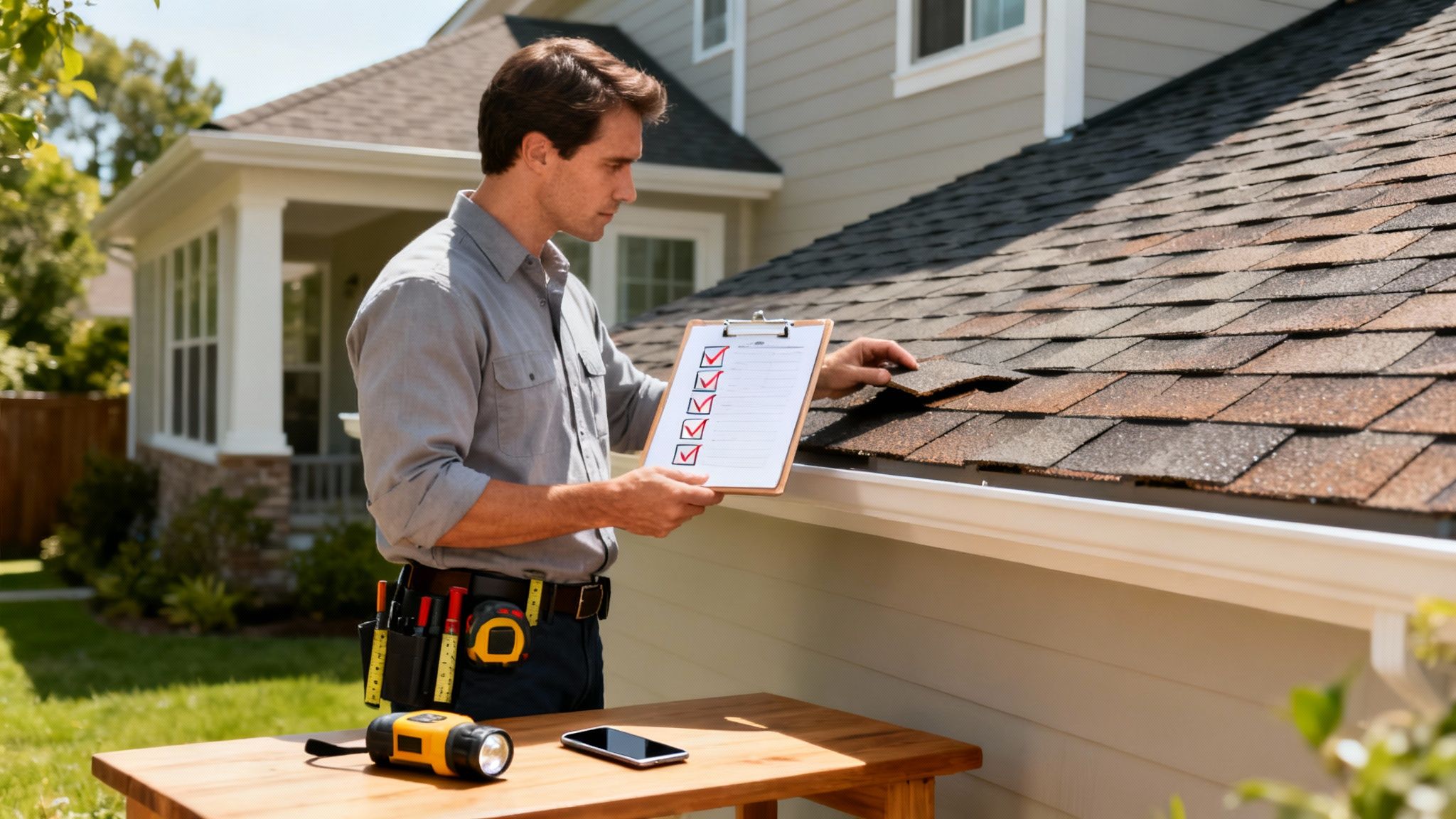
An older house can have beautiful wood floors, charming details, and a neighborhood that feels like home. But beneath the fresh paint, there may be aging pipes, roof leaks, or structural damage that could lead to expensive repairs.
Knowing what to inspect before buying an old house helps buyers make informed decisions before signing the final paperwork. A careful inspection can reveal visible warning signs, highlight areas that need further evaluation, and help buyers plan for future maintenance.
The goal is not to avoid every older property. It is to understand its condition, estimate potential repair needs, and decide whether the house fits the buyer’s budget and plans.
Key Takeaways
- Check the foundation, roof, plumbing, electrical system, and signs of water damage before purchasing.
- Look beyond fresh paint and attractive finishes to identify possible hidden problems.
- Arrange a professional home inspection and seek specialist evaluations when warning signs appear.
- Use inspection findings to plan repairs, discuss terms with the seller, and budget for future maintenance.
What Should Buyers Inspect Before Buying an Old House?
Buyers should inspect the home’s structure, roof, plumbing, electrical wiring, heating and cooling systems, windows, doors, attic, basement, and surrounding drainage. These areas can reveal problems that affect safety, comfort, and future repair costs.
An old house inspection checklist helps buyers review each area systematically rather than focusing only on appearance.
1. Foundation and Structural Condition
The foundation supports the entire house. Problems with it can affect floors, walls, doors, and windows.
Look for these warning signs:
- Large or widening cracks in foundation walls.
- Floors that slope noticeably or feel uneven.
- Doors that stick or windows that no longer close properly.
- Walls that appear bowed or separated from ceilings.
- Gaps around exterior walls or visible signs of movement.
Not every crack means a house has a serious structural problem. Small cracks can develop as materials age or settle. However, large cracks, displacement, or several warning signs together deserve professional evaluation.
Buyers should ask whether known foundation repairs have been completed and whether documentation is available. A qualified structural professional may be needed if significant movement appears likely.
2. Roof Condition and Signs of Leaks
A roof protects the house from rain, snow, wind, and other weather conditions. Damage can allow moisture to reach ceilings, walls, insulation, and wooden framing.
From the ground, buyers can look for missing, curling, or damaged shingles. They should also check for sagging rooflines, damaged flashing, and poorly maintained gutters.
Inside the house, inspect ceilings and upper walls for water stains, peeling paint, or discoloration. These marks may indicate an active leak or an earlier moisture problem.
Ask about the roof’s age, repair history, and any available warranty documents. If its condition is uncertain, a qualified roofing professional can provide a closer assessment.
3. Plumbing Problems in Older Homes
Old plumbing can create problems that are difficult to spot during a quick viewing. Leaking pipes, poor drainage, and outdated materials may require repairs or replacement.
Buyers should check visible pipes under sinks and around water heaters. Look for corrosion, moisture, unusual stains, and signs of previous leaks.
Turn on faucets to check water flow. Flush toilets and observe whether sinks and tubs drain properly. Persistent dripping, slow drainage, or unusual pipe noises may need further investigation.
The age and material of the plumbing also matter. Some older homes contain pipes that may be deteriorated or unsuitable for modern needs. A licensed plumber can assess questionable materials and estimate necessary work.
4. Electrical Wiring and the Main Panel
Electrical problems should never be judged by appearance alone. An older house may have wiring or electrical equipment that needs updating to meet current safety requirements.
During a viewing, look for damaged outlets, loose switches, exposed wiring, and signs of scorching near electrical components. Check whether outlets feel loose or appear damaged, but do not remove covers or touch exposed wires.
Buyers should also ask about the electrical panel’s age, previous upgrades, and available records. A qualified electrician can evaluate the wiring, grounding, panel capacity, and other safety concerns.
Avoid assuming that a house is electrically safe simply because its lights and appliances work. A system can function while still having defects that require attention.
5. Basement, Attic, and Moisture Damage
Basements and attics can reveal problems that are easy to miss in finished living spaces. They often show signs of leaks, poor ventilation, or damage to wooden materials.
In the basement, look for damp walls, musty odors, water stains, and standing water. Check whether the floor or foundation shows unusual cracks or visible movement.
In the attic, look for roof leaks, damaged wood, wet insulation, and signs of poor ventilation. Dark stains may indicate past moisture, although further inspection is needed to identify the cause.
Buyers should also examine the ground around the house. Soil that slopes toward the foundation can direct water toward the building instead of away from it.
6. Heating, Cooling, and Ventilation Systems
Heating and cooling systems affect indoor comfort and future maintenance expenses. An older system may still operate but could need repairs or replacement.
Ask about the equipment’s age, service history, and recent repairs. During the viewing, check whether the thermostat works and whether air flows from accessible vents.
Watch for unusual noises, persistent odors, or visible rust around equipment. These signs do not confirm a specific fault, but they can justify further evaluation.
A qualified HVAC technician can assess the system’s condition and identify maintenance needs. Buyers should request repair estimates before assuming an older system will continue working without problems.
7. Windows, Doors, and Exterior Materials
Windows and doors can reveal wear, moisture damage, and possible movement in the structure. They also affect comfort and energy use.
Open and close accessible windows and doors. Notice whether they stick, fail to latch, or have visible gaps. Look for cracked glass, damaged frames, peeling paint, and soft wood around window sills.
Outside, inspect siding, trim, porches, steps, and railings. Look for loose boards, wood rot, damaged masonry, or areas where water may collect.
Older windows are not automatically a problem. Their condition, repair needs, and potential value should be weighed against the cost of replacement.
8. Pests, Wood Rot, and Hidden Damage
Pest damage can weaken wooden components and create costly repair needs. Look for small holes in wood, damaged floorboards, discarded insect wings, droppings, or areas that appear hollow or deteriorated.
Pay attention to wooden framing near damp basements, crawl spaces, and exterior walls. Moisture can encourage decay and attract some pests.
A few signs do not establish the type or extent of an infestation. A qualified pest inspector can investigate suspected activity and recommend suitable treatment when needed.
9. Lead Paint and Other Older-House Hazards
Some older homes contain materials that need special handling during repairs or renovation. These may include lead-based paint and certain older building materials containing asbestos.
The U.S. Environmental Protection Agency reports that 87% of homes built before 1940 contain some lead-based paint. Buyers can review the EPA’s guidance on identifying lead-based paint.
Peeling paint is a reason to investigate, but appearance alone cannot confirm whether paint contains lead. Avoid sanding or scraping suspicious surfaces before proper assessment.
If asbestos-containing materials are suspected, buyers should not disturb them. Qualified professionals can determine whether testing or specific precautions are needed.
A Practical Old House Inspection Checklist for Buyers
A simple, repeatable process helps buyers compare properties and keep track of concerns.
- Start outside. Examine the roof, foundation, siding, drainage, and visible woodwork.
- Walk through each room. Look for cracks, stains, odors, uneven floors, and damaged windows or doors.
- Check accessible systems. Test ordinary fixtures and controls without opening electrical panels or dismantling equipment.
- Ask for records. Request available details about repairs, replacements, permits, and recurring problems.
- Arrange professional inspections. Investigate warning signs and obtain estimates for significant repairs before finalizing the purchase.
The aim is to collect useful information, not diagnose every problem during a showing.
How to Prioritize Problems Before Buying
Not every defect deserves the same level of concern. A worn cabinet handle is different from a leaking roof or a shifting foundation.
Buyers can use this simple framework to organize their findings.
Practice | When it helps | Simple cue | Mistake |
Check safety concerns | When wiring or hazardous materials are suspected | Exposed wires or damaged materials | Attempting repairs without professional guidance |
Investigate structural issues | When cracks or uneven floors appear | Movement, separation, or bowing | Assuming every crack is harmless |
Estimate major repairs | When systems appear worn or damaged | Roof leaks or aging equipment | Guessing costs without estimates |
Review maintenance records | Before making a purchase decision | Missing repair history | Relying only on verbal assurances |
Plan future improvements | When the house needs updates | Drafty windows or worn finishes | Confusing cosmetic work with urgent repairs |
This approach helps buyers focus on the property’s condition instead of being distracted by attractive finishes.
Common Mistakes to Avoid When Inspecting an Old House
Even careful buyers can overlook important details when they fall in love with a property.
- Judging the house by appearance: Fresh paint and new flooring do not prove that the structure and systems are sound.
- Skipping the professional inspection: A viewing helps identify visible concerns, but it cannot replace a qualified inspection.
- Ignoring minor warning signs: Small stains or sticking doors may deserve further investigation when other signs appear nearby.
- Accepting repair promises without documentation: Buyers should request relevant records and clarify who will complete agreed repairs.
- Underestimating future costs: Purchase price is only part of the financial commitment. Maintenance and necessary upgrades also matter.
A professional inspection may identify issues that change the buyer’s plans. Depending on the purchase agreement, findings may support further negotiations, repair requests, or reconsideration of the purchase.
Conclusion
Buying an older home can be a rewarding choice when its condition matches the buyer’s expectations and budget. The key is knowing what to inspect before buying an old house and recognizing when an issue needs expert attention.
Foundation cracks, roof leaks, aging plumbing, electrical concerns, moisture damage, and deteriorating materials deserve careful review. Buyers should also consider the condition of windows, heating and cooling systems, and any potential environmental hazards.
A thorough inspection will not guarantee a problem-free home. However, it can help buyers understand the property’s condition, prepare for necessary repairs, and make a more confident decision.
For guidance on construction concerns, repairs, or renovation planning, contact In the D Construction at (313-400-3520) or info@inthedconstruction.com.
FAQ
1. What is the most important thing to inspect in an old house?
The foundation, roof, plumbing, electrical system, and signs of water damage deserve close attention. Their condition can affect safety, structural stability, and future repair costs.
2. Should buyers always get a professional home inspection?
A professional inspection is strongly recommended when purchasing an older house. It can identify visible defects and areas requiring further evaluation, although it cannot guarantee that every hidden problem will be found.
3. How can buyers estimate repair costs before purchasing?
Buyers should obtain written estimates from qualified contractors for significant problems identified during the inspection. Actual costs depend on the damage, materials, labor, and scope of work.
4. Is an old house worth buying if it needs repairs?
It can be, provided the buyer understands the repair needs and can manage the costs. The decision should consider the purchase price, inspection findings, renovation budget, and the property’s overall condition.
5. Can In the D Construction help with older-home repair planning?
In the D Construction can be contacted to discuss relevant construction and renovation needs. Buyers should confirm which services are available and use qualified inspectors or specialists when an independent property assessment is required.