
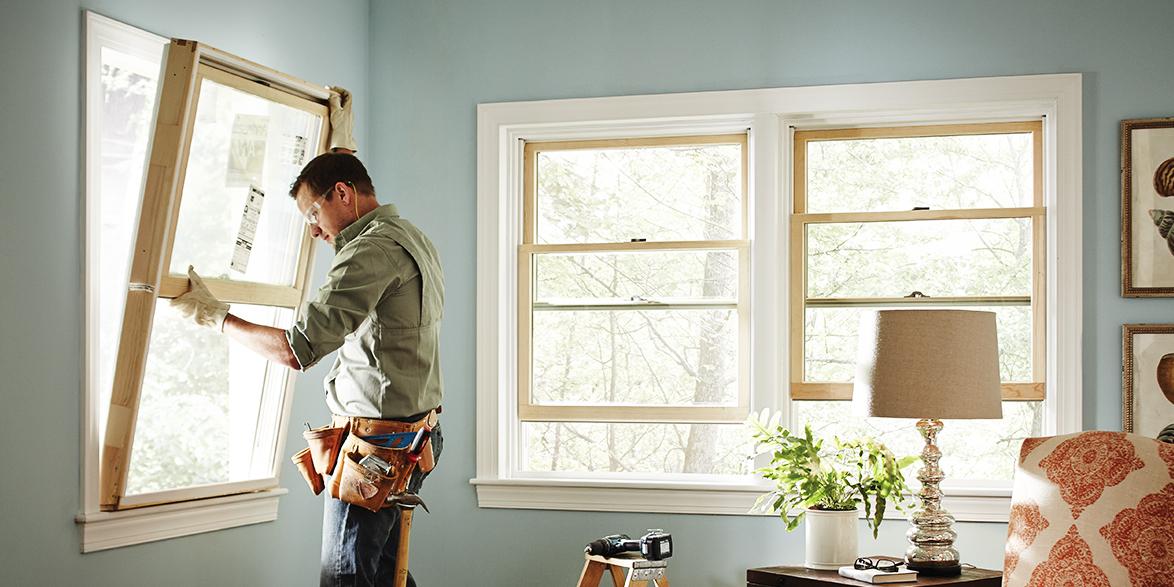
A home can tell its story through small details. A window that sticks every morning. A cold spot near the glass. Fog trapped between panes. A frame that looks tired no matter how often it is cleaned.
At first, these problems may seem minor. Homeowners often live with them because the windows still look usable. But when several warning signs appear together, they may point to a larger problem.
Knowing the signs it’s time to replace your home windows can help homeowners decide whether a repair is enough or whether replacement makes more sense.
Key Takeaways
- Drafts, foggy glass, damaged frames, and difficult operation can indicate failing windows.
- Not every window problem requires complete replacement.
- Poor window performance can affect comfort, appearance, security, and energy efficiency.
- A professional evaluation can help determine whether repair or replacement is the better choice.
What Are the Signs It’s Time to Replace Your Home Windows?
The clearest signs include persistent drafts, windows that are difficult to operate, moisture between glass panes, visible frame damage, poor noise control, and outdated performance.
Age alone does not automatically mean a window needs replacement. Window quality, installation, maintenance, and exposure to weather all affect how well it performs.
Here are ten practical warning signs homeowners can look for.
1. Cold Air Comes Through Closed Windows
A closed window should not leave a homeowner feeling a noticeable stream of outside air.
Persistent drafts can make certain rooms feel uncomfortable. They may also make it harder to maintain an even indoor temperature.
Drafty windows can result from deteriorated seals, worn components, or frames that no longer fit properly. If weatherstripping is the only problem, a repair may be possible. If the window itself has deteriorated, replacement may deserve consideration.
2. Windows Are Difficult to Open or Close
A window that sticks, jams, or refuses to stay open should not be ignored.
Poor operation can result from worn hardware, damaged components, warped frames, or changes in the surrounding structure. It can also make everyday ventilation frustrating.
There is another concern. A window that cannot open properly may be harder to use when quick exit or ventilation is needed.
Some hardware problems can be repaired. However, repeated operating problems may indicate that the entire window has reached the point where replacement is more practical.
3. Fog or Moisture Appears Between the Glass Panes
Foggy window glass can be confusing because condensation is not always a sign of window failure.
Moisture on the outside of glass can occur under normal conditions. Interior condensation can also relate to indoor humidity.
The bigger warning sign is moisture trapped between panes of insulated glass. This can indicate that the sealed unit has failed.
Once a sealed unit fails, the window may no longer perform as intended. In many cases, replacing the affected glass unit or window becomes the appropriate solution.
4. The Window Frame Shows Visible Damage
Walk around the home and inspect the frames closely.
Look for cracking, warping, rot, corrosion, peeling finishes, or other visible deterioration. Damage around the frame can be more than a cosmetic concern.
Water intrusion deserves particular attention. If moisture reaches surrounding materials, the problem may extend beyond the window itself.
A damaged frame may sometimes be repaired. But when structural integrity has been compromised, continued patching may not be the best long-term approach.
5. Outside Noise Has Become More Noticeable
Sometimes homeowners notice a window problem without seeing anything wrong.
Street traffic may seem louder. Conversations outside may become easier to hear. A bedroom that once felt peaceful may no longer feel that way.
Older or less effective glazing can provide less sound control than homeowners want. If outside noise has become a daily frustration, it may be worth evaluating the windows and their glazing.
This is especially relevant for homes located near busy streets or active neighborhoods.
6. The Windows Look Worn or Outdated
Windows play a major role in the appearance of a home.
Even when they still operate, faded finishes, worn frames, outdated styles, or mismatched replacements can make the exterior look tired.
This becomes especially noticeable during a larger remodeling project. A newly renovated kitchen or freshly updated exterior can highlight older windows that no longer fit the home’s design.
Replacement can be considered when homeowners want better visual consistency alongside improved function.
7. The Home Still Has Single-Pane Windows
Single-pane windows are common in older homes. They have less insulating ability than many modern insulated window designs.
That does not automatically mean every single-pane window must be replaced. Historic homes, for example, may require careful planning to preserve their architectural character.
However, homeowners dealing with poor comfort, drafts, or outdated performance may want to compare restoration with modern replacement options.
The goal should be a solution that respects the home’s design while addressing its practical needs.
8. Window Locks or Hardware No Longer Work Properly
A window does more than bring in natural light. It should also close securely.
Broken locks, damaged operators, loose components, or windows that do not close correctly can create everyday frustration.
Sometimes the answer is simple. A damaged lock, operator, balancer, or other component may be replaceable without replacing the entire window.
The important step is identifying the actual problem before assuming a complete replacement is necessary.
9. Rooms Feel Uncomfortable Near the Windows
A homeowner may notice that one room is consistently colder, warmer, or less comfortable than the rest of the house.
That does not automatically prove the windows are responsible. Insulation, air sealing, heating and cooling systems, and other building conditions can affect comfort too.
Still, windows deserve attention when the problem is concentrated around them.
A simple inspection can help determine whether drafts, deteriorated seals, damaged frames, or outdated glazing are contributing to the issue.
10. Window Problems Keep Coming Back
One repair may be reasonable. Repeated repairs deserve a closer look.
For example, replacing weatherstripping or repairing hardware can make sense when the rest of the window remains in good condition. But if different problems continue appearing, homeowners should consider the bigger picture.
Repeated maintenance can become frustrating when the underlying window is deteriorating.
This is one of the most useful window replacement signs because it shifts the focus from one isolated defect to the overall condition of the window.
A Simple Framework for Deciding What Comes Next
Homeowners do not need to make a replacement decision based on one symptom.
A simple three-step approach can make the decision clearer.
- Inspect: Look for drafts, damage, moisture, poor operation, and worn components.
- Separate repairable issues: Determine whether the problem involves hardware, weatherstripping, or another replaceable component.
- Evaluate the whole window: Consider comfort, appearance, function, security, and ongoing maintenance.
This approach helps prevent two common mistakes. One is replacing a window that only needs a small repair. The other is repeatedly repairing a window that has broader problems.
Repair or Replace? A Practical Comparison
Problem | Repair may help when | Replacement may make sense when |
Drafts | Weatherstripping or seals are the main issue | The frame or window has deteriorated |
Hard operation | Hardware or a small component has failed | Warping or broader damage affects operation |
Foggy glass | The glass unit can be replaced separately | Multiple window components are failing |
Damaged frame | Damage is limited and repairable | Rot, warping, or structural damage is extensive |
Broken lock | Hardware can be replaced | The window has several other serious issues |
Outdated appearance | The existing window remains sound | Function and appearance are both poor |
The table is a guide, not a diagnosis. A professional assessment can reveal problems that are difficult to see during a quick visual inspection.
A Real-World Example
Consider a homeowner renovating an older Detroit house.
The kitchen has been updated, but the nearby windows still stick. Cold air can be felt around the frames, and one insulated glass unit has visible fogging between the panes.
At first, replacing one piece of glass might seem like the obvious answer.
But a closer evaluation could reveal several separate issues. The homeowner may then compare targeted repairs with a broader replacement plan.
That decision can be made based on the actual condition of the windows, the home’s design, the project budget, and long-term goals.
For homeowners considering Residential Window Replacement Detroit MI, this type of evaluation is especially useful during a larger remodeling project.
Common Mistakes Homeowners Should Avoid
Replacing windows based only on age
A window’s age alone does not tell the complete story. Quality, installation, maintenance, and environmental exposure also matter.
Assuming every foggy window needs a complete replacement
Fogging between panes can indicate a failed sealed unit. Depending on the window design, the glass unit may be replaceable without removing the entire window.
Ignoring small problems
A sticking window or small draft may seem harmless. However, repeated problems deserve attention before they become larger repair concerns.
Choosing windows without considering the home
Replacement windows should suit the home’s architecture, operation needs, opening size, and performance goals.
This matters even more in older homes where preserving character is part of the renovation.
What Should Homeowners Do Before Replacing Windows?
Before committing to a project, homeowners should:
- Inspect each problem window carefully.
- Note drafts, moisture, damage, and operating problems.
- Check whether hardware or weatherstripping can be repaired.
- Consider the home’s design and renovation plans.
- Get a professional evaluation before ordering replacement units.
Accurate measurements also matter. Older homes may have openings that are not perfectly square, so professional measuring can help prevent ordering problems.
Conclusion
The most important signs it’s time to replace your home windows are not limited to how old they look.
Drafts, difficult operation, trapped moisture, damaged frames, poor sound control, outdated glazing, and repeated repairs can all signal that a closer evaluation is needed.
Replacement is not always the answer. Some problems can be corrected with maintenance or individual component repairs. The right decision depends on the condition of the window and the needs of the home.
For homeowners exploring residential window replacement, a professional assessment can provide a clearer path forward. In The D Construction provides residential window replacement and installation services for homeowners planning practical, well-considered improvements.
To discuss a window project, contact 313-400-3520 or info@inthedconstruction.com.
Summary
Knowing the warning signs can help homeowners make better window decisions. Drafts, fogging, damaged frames, poor operation, and recurring repairs deserve attention. Some issues can be repaired, while widespread deterioration may justify replacement. A professional evaluation can help homeowners choose an approach that balances comfort, function, appearance, and long-term needs.
Frequently Asked Questions
1. How do homeowners know when to replace home windows?
Persistent drafts, difficult operation, moisture between panes, damaged frames, poor noise control, and recurring problems are useful warning signs. A professional inspection can help confirm the cause.
2. Can old windows be repaired instead of replaced?
Yes. Some problems involving weatherstripping, locks, operators, balancers, or other components may be repairable when the main window remains in good condition.
3. Does condensation always mean a window needs replacement?
No. Exterior condensation can occur under normal conditions, while interior condensation may relate to indoor humidity. Moisture trapped between insulated glass panes is a more specific warning sign of seal failure.
4. How much does window replacement cost?
Window replacement costs vary based on window size, style, materials, installation requirements, and the condition of the existing opening. A project-specific assessment is more useful than relying on a general price.
5. When should a homeowner hire a professional?
A professional should be considered when windows are difficult to operate, show structural damage, have persistent drafts, develop trapped moisture, or continue requiring repairs. An evaluation can help determine whether repair or replacement is appropriate.