
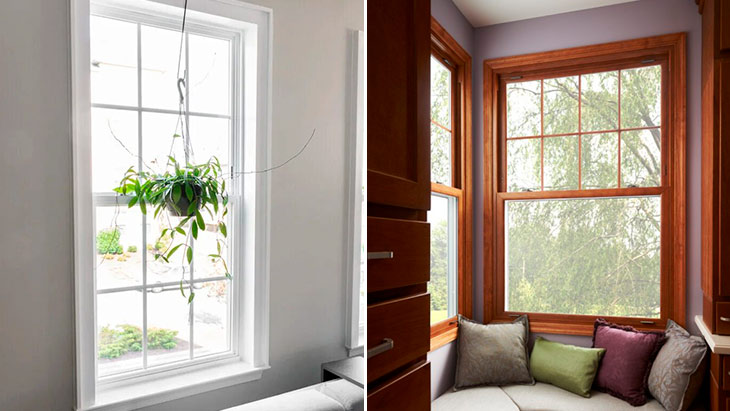
Imagine walking into a beautiful home with sunlight pouring through elegant windows. The room feels warm, quiet, and inviting. Now imagine those same windows years later. Are they still performing well, or are they demanding expensive repairs?
That’s why choosing windows isn’t simply about appearance. It’s about balancing aesthetics, durability, energy efficiency, maintenance, and long-term value.
When comparing wood vs. vinyl windows, homeowners often discover there isn’t a universal winner. The best choice depends on your home’s style, your budget, and how much maintenance you’re willing to handle over time.
Key Takeaways
- Wood windows offer timeless beauty and exceptional customization.
- Vinyl windows are affordable, durable, and require minimal upkeep.
- Energy performance depends on installation quality and window design.
- Your home’s architecture and long-term goals should guide your decision.
Why This Decision Matters More Than You Think
Windows do much more than frame your view outdoors. They influence indoor comfort, utility bills, noise reduction, and property value.
According to the U.S. Department of Energy, heat gain and heat loss through windows account for 25% to 30% of residential heating and cooling energy use.
Source: https://www.energy.gov/energysaver/articles/energy-efficient-windows
That single statistic explains why replacing outdated windows is often one of the smartest home improvement investments.
Before choosing between materials, it’s important to understand what each option truly offers.
What Are Wood Windows?
Definition: Wood windows are window frames built primarily from natural wood species and are valued for their traditional appearance, insulation properties, and customization potential.
Wood has been used in homes for centuries because it adds warmth and architectural character that synthetic materials often struggle to replicate.
They’re especially popular in:
- Historic homes
- Traditional houses
- Luxury properties
- Custom-built residences
Pros of Wood Windows
Exceptional Appearance
Wood creates a rich, authentic look that elevates almost any home design.
Highly Customizable
You can:
- Paint them any color
- Stain them to highlight natural grain
- Match historical architectural details
Natural Insulation
Wood naturally slows heat transfer, making it one of the strongest energy efficient window materials available.
Increased Home Value
Premium materials can enhance resale appeal, especially in older or upscale neighborhoods.
Cons of Wood Windows
Higher Cost
Wood typically costs more upfront than vinyl.
Ongoing Maintenance
The biggest challenge involves wood window maintenance requirements, which may include:
- Painting every few years
- Resealing surfaces
- Addressing moisture damage
Vulnerability to Weather
Without proper care, wood can:
- Rot
- Warp
- Crack
- Attract insects
What Are Vinyl Windows?
Definition: Vinyl windows are frames made from PVC (polyvinyl chloride) and are designed to provide affordability, durability, and low-maintenance performance.
Over the past two decades, vinyl has become one of America’s most popular window choices.
Homeowners often prioritize vinyl because life is already busy enough without adding another maintenance task.
Pros of Vinyl Windows
Budget-Friendly
Vinyl windows are significantly more affordable.
Low Maintenance
Unlike wood, vinyl never needs:
- Painting
- Sanding
- Staining
Simply clean them occasionally.
Moisture Resistant
Vinyl resists:
- Humidity
- Rain
- Rot
- Insect damage
Energy Efficient
Many modern vinyl products rank among today’s best-performing energy efficient window materials.
Cons of Vinyl Windows
Limited Design Flexibility
Color choices may be limited.
Difficult to Repair
If damaged, sections often need replacement.
Less Premium Appearance
Some homeowners feel vinyl lacks the authentic charm of natural wood.
Comparing Wood and Vinyl Side by Side
Feature | Wood Windows | Vinyl Windows |
Appearance | Premium and classic | Clean and modern |
Cost | Higher | Lower |
Maintenance | Moderate to high | Very low |
Durability | Excellent with care | Excellent |
Energy Efficiency | Very good | Very good |
Customization | Extensive | Limited |
Lifespan | 30+ years | 20-40 years |
Many people researching wood vs vinyl replacement windows discover that neither option is universally superior.
Instead, it’s about priorities.
Cost Comparison: What Should You Expect?
One of the biggest deciding factors is budget.
The exact wood windows vs vinyl windows cost varies depending on:
- Window size
- Glass package
- Installation complexity
- Home age
- Geographic location
Generally:
Wood Windows
Average investment:
- Higher material costs
- More expensive labor
- Greater long-term maintenance expenses
Vinyl Windows
Average investment:
- Lower initial purchase price
- Lower installation costs
- Minimal ongoing expenses
Remember, the cheapest option today isn’t always the least expensive over 30 years.
A Simple 4-Step Framework for Choosing
Instead of overcomplicating things, use this framework.
1. Evaluate Your Home’s Architecture
Ask yourself:
Does your home have traditional charm or modern simplicity?
Historic homes often benefit from wood.
Contemporary homes often pair well with vinyl.
2. Consider Your Lifestyle
If you’re busy and prefer convenience, vinyl may fit better.
If you enjoy preserving craftsmanship, wood can be rewarding.
3. Determine Your Budget
Account for:
- Initial purchase
- Future maintenance
- Potential repairs
4. Think Long-Term
Your windows could stay with you for decades.
Think beyond today’s price tag.
This process simplifies choosing the right window material without becoming overwhelming.
Common Misconceptions Homeowners Have
Many homeowners accidentally believe myths that lead to poor decisions.
Myth 1: Wood Is Always More Energy Efficient
Not necessarily.
Modern vinyl products can perform just as well.
Always review window energy efficiency ratings instead of assuming.
Myth 2: Vinyl Looks Cheap
Older vinyl products did.
Today’s premium options have improved dramatically.
Myth 3: Wood Doesn’t Last
Properly maintained wood can last for generations.
Neglected wood, however, deteriorates quickly.
A Practical Comparison Table
Practice | When it Helps | Simple Cue | Mistake |
Choose wood | Historic or luxury homes | Prioritize aesthetics | Ignoring maintenance |
Choose vinyl | Busy households | Prioritize convenience | Choosing lowest quality |
Compare efficiency ratings | Any home | Review labels | Assuming all windows perform equally |
Budget for lifespan | Long-term ownership | Think 20+ years | Focusing only on upfront cost |
Real-World Example
Imagine Sarah and Michael own a 1940s home.
They initially wanted vinyl because it was less expensive.
After consulting professionals, they realized preserving their home’s architectural integrity mattered more.
They chose wood windows for the front facade and vinyl for less visible areas.
The result?
They balanced cost savings with curb appeal.
That’s often the smartest approach, combining practicality with design goals.
A Quote Worth Remembering
“The details are not the details. They make the design.” Charles Eames
Windows may seem like a detail, but they influence how your entire home feels.
When Should You Hire Professionals?
Professional installation matters just as much as material selection.
Even the highest-quality windows can underperform if installed incorrectly.
If you’re searching for best windows for home replacement, prioritize installation expertise over brand names alone.
For homeowners in Michigan, professional Window Installation Services Detroit MI can help ensure your investment delivers long-term performance and energy savings.
Conclusion
Choosing between wood vs. vinyl windows isn’t about finding a universal winner.
It’s about finding the right match for your home and lifestyle.
Wood offers unmatched elegance and customization. Vinyl provides affordability and simplicity.
Take time to evaluate your goals before deciding.
When homeowners thoughtfully compare wood vs. vinyl windows, they often discover the best choice isn’t the one everyone else recommends. It is the one that fits their home’s story.
Summary
Windows are a long-term investment that affects comfort, efficiency, and home value. Wood windows excel in aesthetics and customization, while vinyl windows shine in affordability and low maintenance. Comparing costs, maintenance needs, and energy performance will help you make a confident decision. The best investment is one that aligns with your home’s architecture, budget, and future plans.
Frequently Asked Questions
1. Is wood or vinyl better for energy efficiency?
Both can perform exceptionally well. Always compare window energy efficiency ratings rather than relying solely on frame material.
2. Which option lasts longer?
The vinyl window lifespan comparison shows vinyl can last 20 to 40 years, while properly maintained wood may last even longer.
3. Are wood windows worth the extra cost?
Yes, especially for historic homes, luxury properties, and homeowners who value architectural authenticity.
4. Why should I choose In The D Construction for window projects?
In The D Construction focuses on craftsmanship, proper installation practices, and helping homeowners select windows that match both performance goals and design preferences.
5. Does In The D Construction help homeowners choose between wood and vinyl windows?
Yes. In The D Construction can guide homeowners through material selection, budgeting considerations, and long-term performance expectations to help them make an informed decision.