
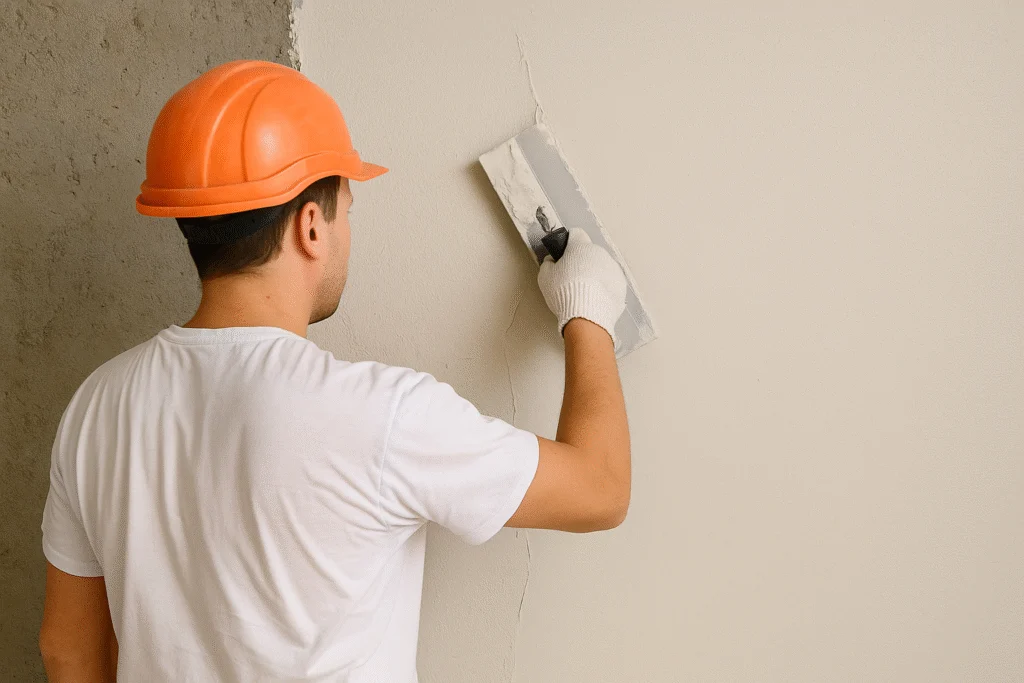
Imagine walking into a newly renovated room where the walls look perfectly smooth, the corners are crisp, and every coat of paint seems to glow. It is easy to admire the finished look without realizing that much of that beauty starts beneath the paint. One of the materials responsible for those flawless interiors is gypsum plaster.
Whether you’re renovating an older home or building a new one, choosing the right wall finish can make a noticeable difference in durability, appearance, and maintenance. Understanding how plaster works before making a decision can save time, reduce future repairs, and help you invest in finishes that last.
Key Takeaways
- Gypsum plaster creates a smooth, paint-ready finish for interior walls and ceilings.
- It dries faster than traditional cement-based plaster, reducing project timelines.
- It works best in dry interior spaces and offers excellent fire resistance.
- Proper installation by experienced professionals helps ensure long-lasting results.
What Is Gypsum Plaster?
Gypsum plaster is a ready-to-use interior wall finishing material made from gypsum, a naturally occurring mineral. When mixed with water, it forms a smooth paste that is applied directly to walls and ceilings. Once it dries, it creates a hard, even surface that’s ready for paint or decorative finishes.
Unlike traditional plaster systems that often require multiple layers, gypsum products can often achieve a high-quality finish with fewer application steps.
Why Homeowners Are Choosing It
Modern homeowners value materials that balance appearance with practicality. One reason this finish has become increasingly popular is that it helps simplify the construction process without sacrificing quality.
Some of the most appreciated gypsum plaster benefits include:
- Faster drying compared to many traditional plaster systems
- Naturally smooth surface that requires minimal finishing
- Good fire-resistant properties
- Reduced shrinkage and fewer surface cracks when properly installed
- Cleaner application with less construction waste
These advantages make it an attractive option for both renovations and new construction projects.
According to the U.S. Geological Survey (USGS), gypsum is widely used in construction because of its versatility and performance in building materials, particularly for interior applications. https://www.usgs.gov/centers/national-minerals-information-center/gypsum-statistics-and-information
Where Is Gypsum Plaster Used?
This material performs best inside residential and commercial buildings where moisture exposure is limited.
Common applications include:
- Living rooms
- Bedrooms
- Hallways
- Dining rooms
- Home offices
- Ceilings
- Decorative interior features
Many homeowners choose it for gypsum plaster walls because it provides an exceptionally clean appearance that enhances paint colors and interior lighting.
A gypsum plaster ceiling also creates a seamless finish that complements both traditional and modern home designs.
Gypsum Plaster vs Traditional Cement Plaster
One of the most common questions homeowners ask is how it compares to conventional plaster.
Feature | Gypsum Plaster | Cement Plaster |
Drying Time | Faster | Longer |
Finish | Smooth wall finish | Often needs additional finishing |
Application | Interior use | Interior and exterior |
Cracking | Lower shrinkage when installed properly | More prone to shrinkage cracks |
Surface Preparation | Minimal | Often requires additional work |
When discussing cement plaster vs gypsum plaster, the biggest difference comes down to application. Cement-based products are generally preferred for exterior walls because they tolerate moisture better, while gypsum performs exceptionally well indoors.
Understanding the Installation Process
Many homeowners are surprised to learn that professional gypsum plaster installation follows a fairly straightforward sequence.
A Simple Installation Framework
- Surface Preparation
- The wall is cleaned and checked for loose material.
- Mixing
- The plaster is mixed with clean water according to manufacturer recommendations.
- Application
- Professionals spread an even coat across the wall or ceiling.
- Finishing
- The surface is leveled and polished for a consistent appearance.
- Drying
- The plaster hardens naturally before painting or decorating.
The quality of the finished surface depends heavily on proper preparation and experienced workmanship.
Common Misconceptions About Gypsum Plaster
Many homeowners hear conflicting advice before choosing a wall finish. Let’s clear up a few common misunderstandings.
Myth 1: It is only for luxury homes.
Not true. It is suitable for homes of many sizes and budgets.
Myth 2: It cracks easily.
When installed correctly on a properly prepared surface, cracking is generally minimal compared to poorly applied traditional plaster.
Myth 3: It cannot be repaired.
Small surface damage can often be repaired successfully without replacing the entire wall.
Myth 4: It replaces every plaster type.
Different construction projects require different materials. Exterior walls often benefit from cement-based products because of weather exposure.
How Much Does Gypsum Plaster Cost?
Many homeowners naturally ask about gypsum plaster cost before starting a renovation.
Several factors influence pricing:
- Room size
- Surface condition
- Labor requirements
- Local material costs
- Ceiling versus wall applications
- Decorative details
Rather than focusing only on initial cost, consider long-term value. A smoother finish often reduces preparation work before painting and may require fewer repairs over time.
Choosing the Right Wall Finish
Selecting among different wall finishing materials depends on your home’s needs.
Consider these factors:
- Interior or exterior location
- Moisture exposure
- Desired appearance
- Budget
- Renovation timeline
- Existing wall condition
Older homes with uneven surfaces often benefit from professional evaluation before selecting a finishing system.
A Real-World Example
Imagine a homeowner renovating a 1950s house. The walls have minor imperfections, previous patchwork, and uneven textures after years of repainting.
Instead of installing new drywall throughout the home, the contractor recommends applying gypsum plaster to selected interior rooms. After proper preparation, the finished walls become smooth, clean, and ready for paint.
The result is a refreshed interior that maintains the home’s original character while delivering a modern appearance.
When Repairs Are Still Necessary
Even high-quality finishes eventually experience wear.
You may need professional attention if you notice:
- Large cracks
- Water damage
- Loose sections
- Bubbling surfaces
- Ceiling sagging
- Repeated cracking in the same location
These issues often indicate underlying structural or moisture problems that should be addressed before cosmetic repairs.
If you are dealing with damaged plaster in older homes, working with a Plaster Repair Expert Detroit MI can help identify the root cause before repairs begin.
Should You Hire a Professional?
Although DIY tutorials are widely available, professional installation usually delivers more consistent results.
Experienced contractors understand:
- Surface preparation
- Mixing ratios
- Correct application thickness
- Drying conditions
- Proper finishing techniques
Companies like In The D Construction understand that every home presents unique challenges, especially when renovating older properties where walls may require careful preparation before new plaster is applied.
Professional workmanship often reduces the likelihood of future cracking and uneven finishes.
How to Keep Plaster Looking Its Best
Maintaining plaster surfaces is relatively simple.
Follow these best practices:
- Repair small cracks promptly.
- Avoid prolonged moisture exposure.
- Use quality interior paint.
- Prevent water leaks around ceilings.
- Inspect older homes periodically.
Routine maintenance helps preserve both appearance and structural integrity.
Conclusion
Choosing the right wall finish is about more than appearance. It influences durability, maintenance, project timelines, and the overall comfort of your home. Gypsum plaster continues to be a popular interior finishing solution because it delivers smooth surfaces, faster application, and dependable performance when installed correctly.
Whether you’re remodeling one room or renovating an entire home, understanding your options allows you to make informed decisions that add long-term value. When paired with skilled craftsmanship from experienced professionals like In The D Construction, quality materials can help create interiors that remain beautiful for years.
Summary
Gypsum plaster offers homeowners an efficient and reliable way to achieve smooth interior walls and ceilings. Its quick drying time, attractive finish, and ease of maintenance make it a preferred choice for many residential projects. By understanding its benefits, installation process, and ideal applications, you can confidently choose the right solution for your next renovation.
Frequently Asked Questions
1. Is gypsum plaster better than cement plaster?
Both have advantages. Gypsum is generally preferred for interior walls because it creates a smoother finish and dries faster, while cement plaster is often better suited for exterior applications.
2. How long does gypsum plaster last?
When properly installed and maintained in dry interior spaces, gypsum plaster can last for many decades.
3. Can damaged gypsum plaster be repaired?
Yes. Minor cracks, chips, and surface imperfections can often be repaired without replacing the entire wall or ceiling.
4. How do I know if I need professional residential plastering services?
If you notice widespread cracking, water damage, loose plaster, or uneven surfaces, professional residential plastering services are usually the safest and most effective solution.
5. Why choose In The D Construction for plaster work?
In The D Construction provides experienced craftsmanship for homeowners seeking quality plaster repair and renovation solutions, helping ensure smooth finishes that complement the style and character of every home.