
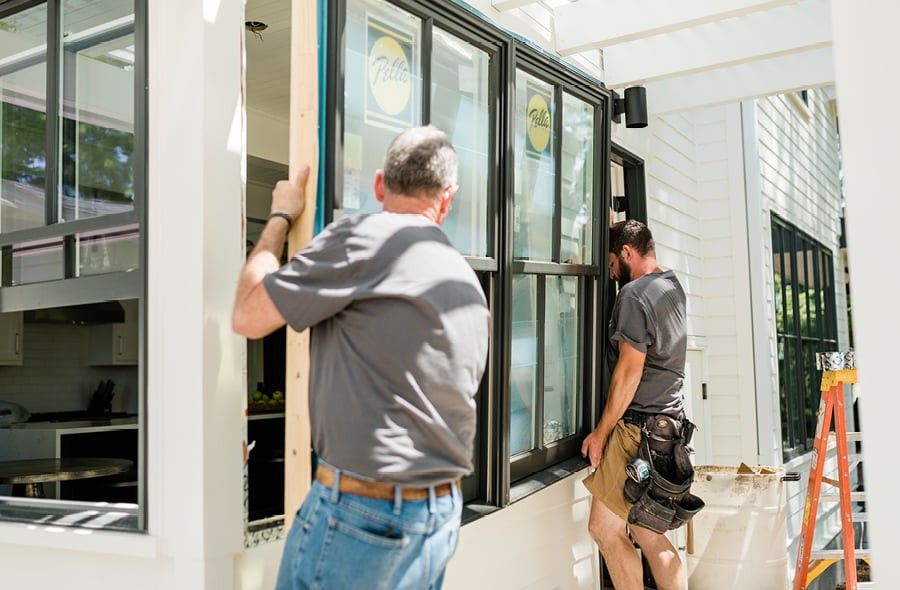
Windows quietly shape the comfort, efficiency, and beauty of a home. When they start to fail and allow drafts, moisture, or noise inside, it is usually time for an upgrade. Many homeowners choose vinyl double hung windows because they combine classic design with modern performance. A well planned double hung Window Replacement project can improve airflow, reduce energy costs, and give your home a refreshed look.
Vinyl double-hung windows are especially popular because they’re durable, low-maintenance, and cost-effective compared to many other window types. Whether you’re tackling a renovation project or simply replacing aging windows, understanding the installation process and benefits will help you make confident decisions.
As the legendary architect Frank Lloyd Wright once said:
“The mother art is architecture. Without an architecture of our own we have no soul of our own civilization.”
Windows are a vital part of that architecture. They connect the interior of your home with the world outside.
Double Hung Windows Overview
Double-hung windows feature two movable sashes that slide vertically within the frame. Both the top and bottom sections can open, allowing better control over airflow and ventilation.
Modern vinyl models often include tilt-in sashes that make cleaning easier from inside the home. Unlike older wood frames, vinyl windows resist moisture, warping, and peeling paint, making them a practical long-term option.
Because of their traditional appearance, double-hung windows complement both historic and contemporary homes. They’re commonly used in residential renovations because they preserve the architectural character while improving performance.
Benefits of Double Hung Windows
Homeowners often choose vinyl double-hung windows for a combination of functionality and value. Some of the biggest advantages include:
- Improved ventilation: Opening both sashes allows warm air to escape while cooler air flows in.
- Easy cleaning: Tilt-in designs make maintenance simple.
- Durability: Vinyl frames resist rot, corrosion, and weather damage.
- Versatile design: Works well with many architectural styles.
- Affordability: Typically more cost-effective than custom window styles.
According to the U.S. Department of Energy, energy-efficient windows can reduce heat loss by up to 30%, making replacement windows a valuable home upgrade.
Signs You Need double hung Window Replacement
Recognizing early warning signs can help prevent bigger structural problems. Some common indicators include:
- Drafts or cold air near the window frame
- Difficulty opening or closing the sash
- Visible rot or water damage around the frame
- Condensation between glass panes
- Rising heating or cooling bills
If several of these issues appear at once, it may be time to consider double hung Window Replacement rather than continued repairs.
Inside vs Outside Installation
Replacement windows can typically be installed from either the interior or exterior side of the home. The choice depends on the condition of the existing frame and surrounding materials.
| Installation Method | Key Features | When It’s Best |
| Inside Installation | Interior trim removed; window slides into frame | When exterior siding is intact |
| Outside Installation | Brick mold and exterior trim removed | When exterior rot or damage needs repair |
Exterior installation is often preferred when structural repairs are required, while interior installation helps minimize disruption to siding and landscaping.
Tools for Window Replacement
A professional installation requires proper preparation and the right tools. Common tools include:
- Pry bar and hammer
- Screwdrivers or drill
- Level and measuring tape
- Utility knife
- Shims and fasteners
- Caulking gun and insulation foam
Having these tools ready ensures the replacement process runs smoothly.
Removing the Old Window
The first step is safely removing the existing window unit. This typically involves taking out the sash, loosening fasteners, and carefully pulling the frame away from the opening.
Removing the old unit must be done gently to avoid damaging the surrounding wall structure.
Removing Vinyl Window Track
Most double-hung windows contain a vinyl track system that guides the movement of the sashes. During removal, the track is usually detached first so the window frame can be lifted out.
Once the track is removed, the window opening becomes accessible for inspection and repairs.
Removing Window Casing
Interior or exterior casing often needs to be removed during the replacement process. This trim surrounds the window frame and may hide screws or nails securing the unit.
Careful removal helps prevent damage to drywall or siding.
Repairing Window Frame Rot
Older windows sometimes reveal hidden damage once they’re removed. Moisture exposure can cause wood rot around the frame or sill.
Before installation begins, damaged areas should be repaired or replaced to ensure the new window sits securely in the opening.
Preparing the Window Opening
A clean, level opening is essential for a successful installation. Preparation usually includes:
- Removing debris or leftover caulk
- Checking the frame for level and square alignment
- Installing flashing or moisture barriers if necessary
This step ensures the new window fits properly and seals against weather.
Installing Replacement Window: double hung Window Replacement Steps
When the opening is ready, the new window can be positioned inside the frame. During double hung Window Replacement, installers typically follow these steps:
- Place the window into the opening from inside or outside.
- Check alignment using a level.
- Insert shims to stabilize the frame.
- Secure the window with screws through the frame.
Proper alignment ensures the sashes move smoothly and the window seals tightly against air leaks.
Shimming and Securing Window
Shims are small wedges placed between the frame and wall structure to maintain alignment. They help keep the window square and prevent shifting over time.
Once shimming is complete, fasteners are installed to permanently secure the window.
Sealing with Caulk and Foam
Sealing is one of the most important steps in window installation. Installers apply caulk around the exterior edges and spray foam insulation around the frame to eliminate air gaps.
Proper sealing protects the home from moisture intrusion and improves insulation performance.
Installing Drip Cap
A drip cap is a small metal flashing placed above the window frame. Its purpose is to direct rainwater away from the top edge of the window.
Without this component, water could seep into the wall cavity and cause long-term damage.
Reinstalling Window Stool
After the window is secured and sealed, interior trim components such as the window stool and casing are reinstalled. These pieces restore the finished appearance inside the home.
Common Installation Mistakes
Even small errors during installation can cause problems later. Common mistakes include:
- Improper measurements
- Skipping frame repairs
- Over-tightening fasteners
- Inadequate insulation or sealing
Avoiding these issues ensures the double hung Window Replacement performs well for years.
Energy Efficiency Benefits
New vinyl windows can significantly improve insulation. Modern models often feature double or triple-pane glass with low-emissivity coatings that reduce heat transfer.
Because of these features, a properly installed double hung Window Replacement can help stabilize indoor temperatures and reduce heating and cooling costs.
Window Maintenance Tips
After installation, a little routine care will extend the lifespan of your windows.
Simple maintenance tips include:
- Cleaning glass and tracks regularly
- Inspecting caulking for cracks
- Lubricating moving parts annually
- Checking for moisture buildup around frames
These small steps help keep windows operating smoothly for many years.
Conclusion
Upgrading aging windows is one of the most effective ways to improve comfort, energy efficiency, and curb appeal. A well-executed double hung Window Replacement not only enhances ventilation but also protects your home from drafts, water damage, and rising energy costs.
For homeowners planning Residential Window Replacement Detroit MI, working with experienced professionals like In The D Consatruction ensures the project is completed safely and correctly. With the right materials and installation approach, new vinyl double-hung windows can deliver long-term performance and beauty.
Key Takeaways
- Vinyl double-hung windows provide excellent ventilation and easy maintenance.
- Signs like drafts, rot, and condensation indicate replacement may be needed.
- Proper installation includes frame preparation, shimming, sealing, and flashing.
- Energy-efficient windows can reduce heating and cooling costs.
- Routine maintenance helps extend the lifespan of replacement windows.
FAQs
1. How long does a double-hung window replacement take?
Most standard window replacements take between 1–2 hours per window, though the timeline can vary depending on structural repairs or accessibility.
2. Are vinyl double-hung windows energy efficient?
Yes. Modern vinyl windows often include insulated glass, Low-E coatings, and tight seals that help reduce energy loss.
3. What is the average lifespan of vinyl windows?
High-quality vinyl windows can last 20–30 years or longer with proper maintenance.
4. Can I replace double-hung windows without removing interior trim?
In many cases, yes. Exterior installation methods allow installers to replace windows while leaving interior walls and trim untouched.
5. Should I hire a professional for window replacement?
While DIY replacement is possible, professional installation ensures proper sealing, alignment, and long-term performance.