
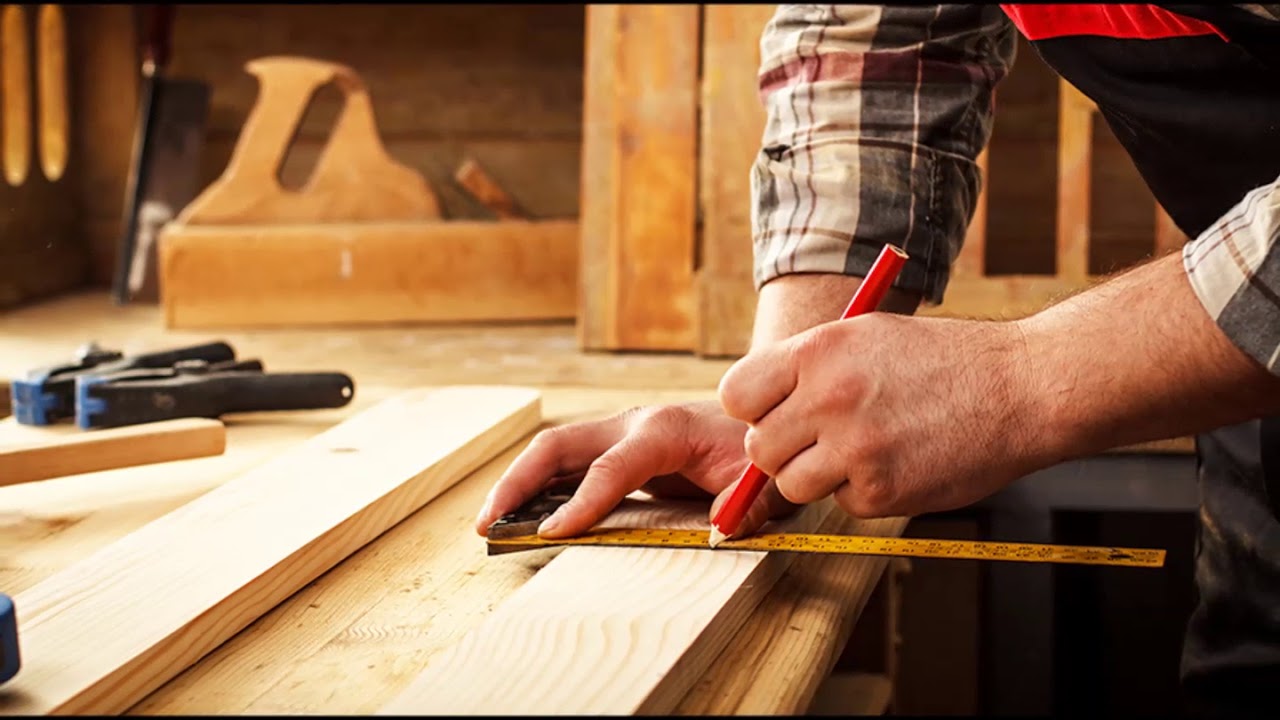
Finish carpentry is more than just adding trim or molding. It is the art of transforming a home with precise and elegant woodwork. From crown molding and baseboards to custom cabinetry and door casings, these details can completely elevate a room’s aesthetic. At In The D Construction, we understand how critical finish carpentry is to achieving a polished and professional interior. For homeowners in Detroit who want to enhance their spaces, understanding the principles of finish carpentry is essential.
In this guide, we’ll explore what finish carpentry is, why it matters, and share 10 essential rules that will help you achieve beautiful interior details.
What Is Finish Carpentry?
Finish carpentry refers to the final stage of woodworking that focuses on the visible and decorative elements inside a home. While rough carpentry forms the structural framework of a building, finish carpentry enhances the interior with trim work, moldings, cabinetry, and other refined wood details.
These elements play a major role in shaping the character of a room. Carefully installed baseboards, crown molding, and window casings create clean lines that frame walls and ceilings, giving interiors a finished and cohesive appearance. Achieving this level of detail requires precise planning, skilled workmanship, and an understanding of design.
For homeowners planning renovations or upgrades, understanding the principles of finish carpentry can make a big difference in the overall quality and appearance of the project.
1. Avoid Overly Rigid Layout Patterns
One of the most important principles in trim installation is avoiding layouts that look mechanical or repetitive. Interior woodwork should feel balanced and intentional, not forced or overly symmetrical.
Careful planning helps ensure moldings and trim pieces align naturally with architectural features. Thoughtful placement of decorative elements supports cohesive home interior detailing and prevents awkward gaps or mismatched trim lengths.
Using creative decorative woodwork ideas can also enhance a room’s design while maintaining a natural visual flow.
2. Create Reveals Instead of Flush Edges
A subtle design technique that professionals often use is the reveal, a small visible edge between two surfaces. Instead of installing trim pieces completely flush against walls or cabinets, leaving a slight reveal adds depth and visual interest.
These small shadow lines highlight the edges of moldings and frames, giving them a more refined appearance. Proper sanding and preparation also play a key role in achieving smooth transitions and clean lines.
Paying attention to details like these enhances the overall look of interior wood finishes and makes trim installations appear more polished.
3. Balance Cuts When Fitting Trim Pieces
Sometimes walls and corners are not perfectly square, which can make precise cuts difficult. In these situations, it’s often best to adjust both sides of a joint slightly rather than forcing one piece to fit perfectly.
Balancing small adjustments between two pieces helps create tight joints without putting stress on the material. This method ensures smoother connections and more consistent trim lines.
Practicing careful carpentry joinery methods and focusing on precision woodworking techniques helps achieve clean, professional-looking results.
4. Measure Carefully Before Cutting
Accurate measurements are essential for any successful trim installation. Even a small error can create noticeable gaps or misalignment when working with moldings and cabinetry.
Taking the time to double-check dimensions ensures materials are cut correctly the first time. Following reliable measuring and cutting tips and applying accurate measurements in carpentry reduces wasted materials and improves overall efficiency.
Proper measuring also helps anticipate difficult corners or uneven surfaces before installation begins.
5. Use the Right Tools for Precision Work
Professional-quality results depend heavily on using the correct tools. Essential finish carpentry tools include miter saws, chisels, nail guns, clamps, and measuring equipment.
Each tool plays an important role in achieving clean edges, smooth joints, and precise installations. When combined with effective woodworking techniques, these tools allow both professionals and skilled DIY enthusiasts to produce high-quality trim work.
Many homeowners seeking Custom Carpentry Services Detroit MI rely on experienced professionals who have access to specialized tools designed for accurate trim installation.
6. Select High-Quality Materials
The materials used in trim work influence both the durability and visual appeal of the finished project. High-quality wood or well-prepared MDF ensures smooth surfaces and long-lasting performance.
Choosing the right material also depends on the intended finish. Some wood types work better for staining, while others are ideal for painted trim.
Selecting durable materials contributes to stronger installations and improves the longevity of interior wood finishes. Quality materials also make it easier to achieve durable carpentry finishes that maintain their appearance over time.
7. Test Joint Fit Before Final Cuts
Before cutting trim pieces to their final length, it’s important to check how the joints fit together. Testing the alignment first helps ensure tight connections and prevents mistakes that could waste material.
Well-prepared joints such as miters, rabbets or butt joints create seamless trim installations that look professional. Taking a few extra minutes to test the fit allows you to make small adjustments before committing to a final cut.
This approach strengthens your carpentry joinery methods and ensures trim lines appear smooth and continuous.
8. Minimize Visible End Grain
Exposed end grain can make even carefully installed trim look unfinished. Whenever possible, plan cuts so that the end grain is hidden behind another trim piece or positioned in a less visible location.
Using fillers, returns, or overlapping trim can also help conceal exposed edges. Paying attention to this detail improves the overall appearance of your work and highlights the quality of the craftsmanship.
Properly managing end grain also protects wood surfaces and contributes to refined interior craftsmanship.
9. Plan the Installation Sequence Carefully
The order in which trim pieces are installed can greatly affect the final outcome. Planning the sequence ahead of time allows each piece to align properly and reduces the need for difficult adjustments later.
For example, installing longer or more prominent trim pieces first helps establish reference lines for the rest of the project. When working on crown molding installation or baseboards, this approach ensures the remaining pieces follow a consistent pattern.
A well-planned installation sequence saves time and helps maintain a clean, organized workflow.
10. Complete the Project with Proper Finishing
The final stage of woodworking is just as important as the installation itself. Sanding, priming, painting, or staining protects wood surfaces while giving trim its finished appearance.
Applying proper finishing and sanding tips helps eliminate imperfections and ensures a smooth surface before paint or stain is applied.
High-quality coatings also create durable carpentry finishes that protect the trim and preserve its appearance for years. Taking time to complete the finishing process properly ensures the entire project looks polished and professionally done.
Conclusion
Finish carpentry plays a major role in shaping the overall appearance of a home’s interior. Carefully installed trim, moldings, and cabinetry add depth, character, and elegance to any space.
By following these ten principles including planning layouts, using reveals, balancing cuts, measuring accurately, selecting the right tools and materials, and completing proper finishing you can achieve refined interior details that enhance the beauty of your home.
For homeowners seeking professional results, working with experienced specialists can make all the difference. The team at In The D Construction is dedicated to delivering detailed craftsmanship and high-quality trim installations that bring lasting value to Detroit homes.
FAQs
What is the purpose of finish carpentry?
Finish carpentry focuses on the visible woodwork in a home, such as trim, moldings, and cabinetry, which enhance the appearance and overall design of interior spaces.
What tools are commonly used in finish carpentry?
Common tools include miter saws, chisels, nail guns, levels, clamps, and measuring equipment designed for precise cuts and installations.
Why are reveals important in trim installation?
Reveals create subtle shadow lines between surfaces, adding depth and making trim details appear more refined and intentional.
How can exposed end grain be hidden?
End grain can be concealed by using returns, overlapping joints, or strategic placement of trim pieces during installation.
How long do interior wood finishes typically last?
With proper maintenance and high-quality coatings, interior wood finishes can last many years while maintaining their appearance.